It’s frustrating when you invest in a sleek, stylish briefcase only to find it feels flimsy or poorly constructed once it’s in your hands. Often, a great-looking briefcase on the outside can hide construction flaws that affect durability and daily usability. For professionals like us, who regularly carry essentials and often fly with our bags, a flimsy feel is a red flag that shouldn’t be ignored.
There are several aspects that determine a briefcase’s longevity beyond its visual appeal—most notably leather grade truth, tanning methods, the quality of hardware metal, and even internal components like stiffeners and lining. Knowing what to look for can save you the disappointment of a "luxury" that quickly becomes disposable.
Image source: briefcase photo on Unsplash
1. Understanding the Leather: Grade Truth vs Marketing Labels
You’ve probably seen product pages boasting "genuine leather" or "top grain leather." Unfortunately, these terms are often vague marketing phrases that don’t guarantee quality or longevity.
Common Leather Labels and What They Really Mean
- Genuine leather: This is the lowest grade of real leather. It typically comes from the layers underneath the top grain and can wear out quickly. Avoid putting too much trust in this label. Top grain leather: The outermost layer of the hide, better quality than genuine leather but usually sanded or buffed, which removes some natural grain. Full grain leather: The highest quality, retaining the natural surface, strength, and breathability. It usually ages beautifully over time. Cuoio Superiore: An Italian certification seal indicating genuine vegetable-tanned leather made with traditional craftsmanship and environmental care.
Always look out for certificates like Cuoio Superiore or ask about vegetable tanning, which generally signals a premium grade and ethical tanning process compared to mass chrome tanning.
2. Vegetable Tanning vs Chrome Tanning
Vegetable tanning is a centuries-old method using natural tannins extracted from tree bark and plants. It produces leather with greater longevity, lovely patina development, and stronger structural integrity. By contrast, chrome tanning, while faster and cheaper, often results in softer, more pliable leather that can deteriorate faster with time and use.
Why does tanning matter in a briefcase?
- Durability: Vegetable-tanned leather is thicker and maintains rigidity longer, meaning your briefcase retains its shape. Healthier aging: Vegetable-tanned leather develops a beautiful patina, whereas chrome-tanned leather can crack or peel prematurely. Environmental impact: Vegetable tanning is more eco-friendly, fitting ethical consumption.
Top-tier brands like Von Baer prominently emphasize their vegetable-tanned leather sourcing, making their briefcases feel robust without bulk. If your briefcase doesn’t specify tanning type or relies on “genuine leather” tags, suspect chrome tanning or inferior treatments.
3. Hardware as the Most Common Failure Point
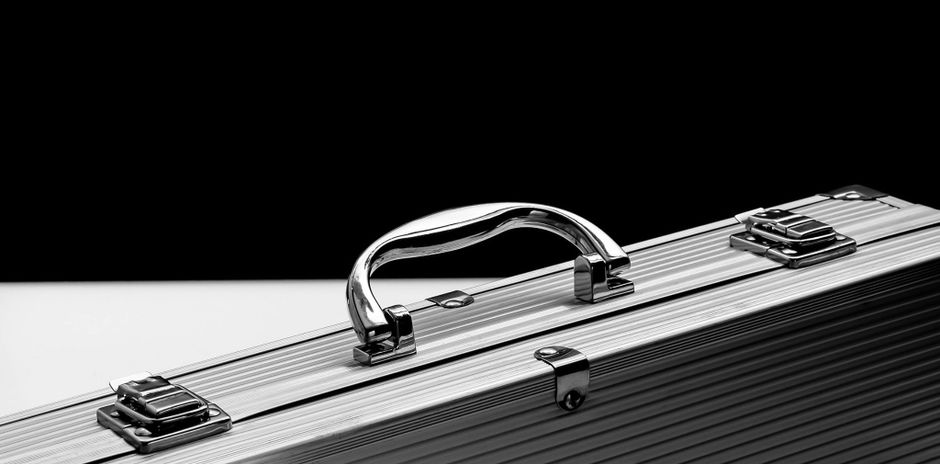
When a briefcase feels flimsy, one frequent culprit is the hardware metal—the metal buckles, clasps, hinges, and feet. Poorly made plated hardware may look good initially but start peeling or flaking after a few uses. Since hardware supports the structure and closure of the bag, this can quickly lead to malfunctions.
What to Check for Hardware Quality:
Material Thickness & Weight: Heavy, solid metal hardware usually indicates quality. Thin, lightweight metal feels cheap. Finish and Coating: Look out for flaking or spots of discoloration. Solid brass or stainless steel finishes wear better than plated alloys. Functionality: Test buckles and clasps to ensure smooth operation without wobbling or sticking.Von Baer’s briefcases are known for using non-flaking hardware metals, which helps maintain structural integrity and aesthetic appeal over years. If your briefcase hardware feels loose or the metal plating is fading, it’s often a sign to reconsider its durability.
4. Zipper Quality and the Benchmark of YKK
Another key hardware component that can make or break your briefcase's longevity is the zipper. A faulty zipper not only annoys daily use but can disrupt the security of your essentials.
In my years handling warranty returns, I always check zipper brands first. The industry gold standard is YKK. This Japanese manufacturer has a reputation for reliability, smooth operation, and long life.
How to verify zipper quality:
- Check if the zipper pull or teeth have a visible “YKK” stamp. Run the zipper up and down several times; it should move smoothly without catching. Assess material: metal YKK zippers on leather goods are preferable over plastic teeth on briefcases.
Non-YKK zippers tend to snag, break teeth, or corrode much faster. Brands like Von Baer and Cuoio Superiore briefcases regularly use YKK zippers to ensure this critical point doesn’t fail prematurely.
5. Internal Stiffeners and Lining Quality
Underneath the polished Click here to find out more leather exterior, the internal construction contributes heavily to a briefcase’s sturdiness and feel.
Internal Stiffener
The internal stiffener refers to a hidden reinforcement, often made of cardboard, plastic, or thinner leather layers, inserted between the outer leather shell and inner lining.
Quality briefcases have firm internal stiffeners that maintain shape without adding unnecessary bulk or compromising flexibility. A lack of this component leads to a limp feel where the leather sags or wrinkles https://smoothdecorator.com/what-are-the-biggest-briefcase-red-flags-before-you-buy/ excessively.
Lining Quality
Lining materials range from basic polyester to high-end butyrate or suede. A cheap lining not only tears easily but also impacts your briefcase’s internal durability and user experience.
- Look for smooth, tightly woven fabric that resists snagging. Premium liners should feel substantial yet lightweight. Double stitching on the lining’s seams adds strength.
Thin, sloppy stitching or poor quality lining often signals a quick-to-fail or throwaway product rather than a long-term companion.
Summary Table: What to Check if Your Briefcase Feels Flimsy
Component What to Look For Why It Matters Brands / Certifications to Seek Leather Grade Full grain, vegetable-tanned, Cuoio Superiore seal Durability, aging, authenticity of material Von Baer, Cuoio Superiore Tanning Method Vegetable vs chrome tanning, look for specific mention Leather longevity and patina development Von Baer, Italian certified products Hardware Metal Solid, non-flaking metal finishes, heavy-weight feel Structural support, aesthetic durability Von Baer hardware, solid brass components Zippers YKK stamped zippers with smooth glide Prevent failure during use, security YKK standard (industry benchmark) Internal Stiffener Firm internal layer maintaining shape Prevents sagging and enhances feel Quality handmade briefcases Lining Tightly woven, durable lining with clean stitching Protects interior and prolongs lifespan High-end craftsmanshipBonus Tip: Avoid “Disposable” Luxury
Many brands market briefcases with poetic descriptions and lofty promises but fail to provide concrete specifications. Phrases such as “genuine leather” without certifications or vague product copy about hardware materials often mean you’re buying a throwaway item in disguise.
When in doubt, always look for transparent details: brands that openly share leather sources, tanning techniques, hardware metal content, and stitching counts are usually trustworthy. For example, Von Baer doesn’t shy away from listing stitch density or leather type because it’s confident in their product build.
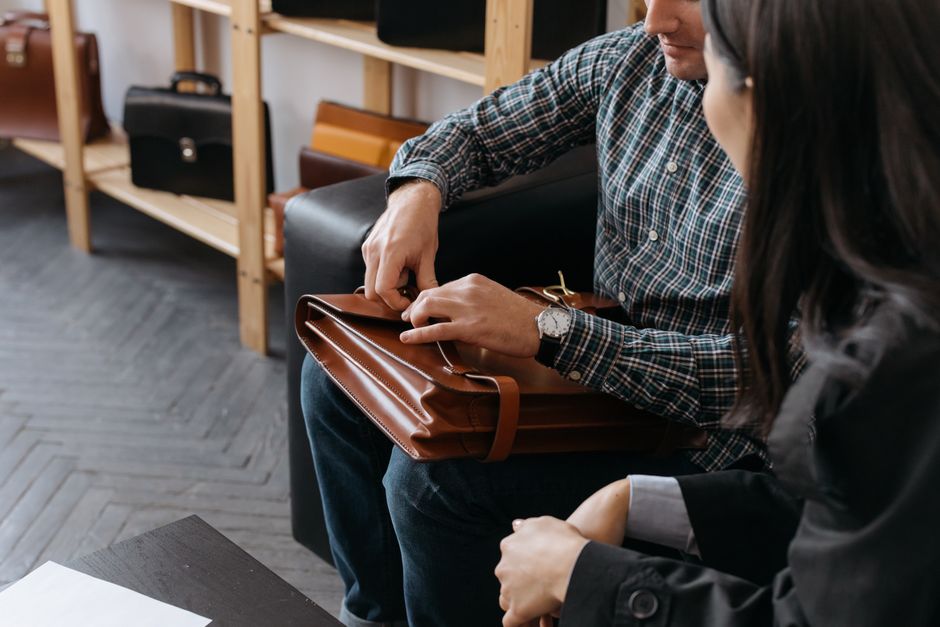
Photo courtesy of Pexels, showing a well-crafted vegetable-tanned leather briefcase.
Final Thoughts
Your briefcase is often an extension of your professionalism and personal style. Beyond the sleek surface, placing trust in quality materials and craftsmanship is paramount. Next time your briefcase feels flimsy, conduct a thorough check of:
- Leather grade authenticity and tanning method Hardware metal durability and plating condition Presence of YKK zippers and their smooth operation Internal stiffeners to maintain form Lining quality and stitching finish
Brands like Von Baer and those bearing the Cuoio Superiore seal set high benchmarks for construction and material honesty. If your briefcase doesn’t meet these standards, you’re probably dealing with a product designed for short-term use, not for the enduring journeys professionals demand.