Planning a night out that flows smoothly from pre-show dining to a live event, finishing with drinks can be surprisingly tricky. Balancing appetites, event start times, and social dynamics requires some strategic thinking. As venues increasingly become all-in-one destinations, offering dining, live music, and lounge spaces under one roof, the opportunity to craft a seamless evening grows—but so do the pitfalls.
Here's what kills me: this guide breaks down how to time your night out for maximum enjoyment—without the stress of rushing, long waits, or awkward gaps. That said, there are exceptions. Whether you’re organizing a group with mixed interests or simply want to savor every stage of the night, understanding the flow will help you get it right.
Why All-in-One Venues Are Changing the Night Out Game
Gone are the days when a night meant picking a restaurant, then heading somewhere else for live music, then maybe bar-hopping afterward. Increasingly, multi-use venues combine these elements in one location. This has some clear benefits:
- Efficiency: Less travel, less time lost moving from place to place. Flexibility: You can linger over dinner or drinks depending on the vibe or timing. Social cohesion: Everyone’s in one spot, making it easier for groups with varying priorities to still share the evening.
However, this setup also means timing becomes https://dlf-ne.org/virginia-casino-rules-who-do-i-check-with-first/ critical. You don’t want to start your dinner too late, only to feel rushed before the show. Nor do you want to finish early and face a long wait for the music to begin. Understanding how dining, event schedules, and post-show socializing intertwine helps you find the sweet spot.
Dining As a Destination, Not an Afterthought
One of the biggest mistakes is treating dinner as a rushed prelude or a simple “fuel-up” before the main event. When dining isn’t prioritized, it often ends up being hurried or unsatisfying—affecting your mood and stamina for the rest of the night.
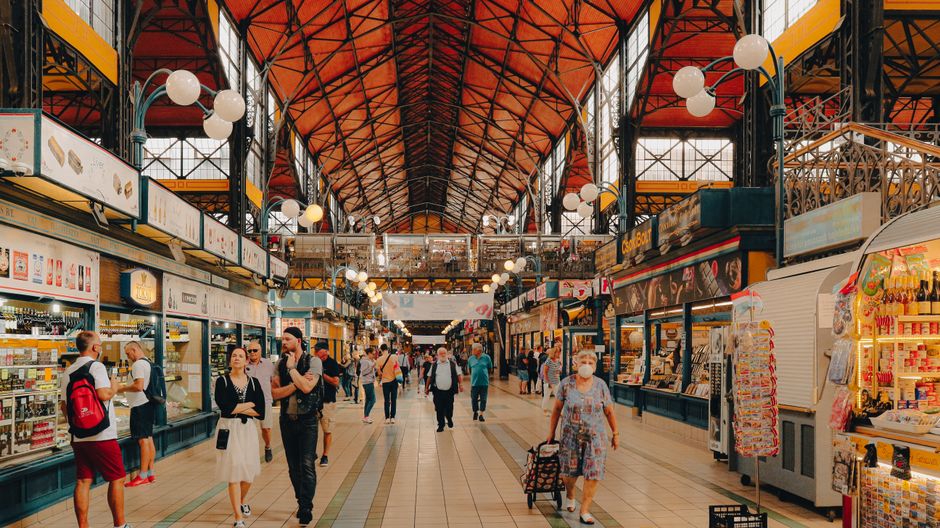
Instead, approach pre-show dining as an essential part of the experience. This means:
- Picking a menu and venue that fit your group’s tastes and time constraints. Allowing adequate time to order, eat, and relax—usually at least 1 to 1.5 hours. Confirming your booking with the venue, especially if you have a show to catch afterward.
For all-in-one venues, you can often coordinate your dining reservation with event start times—giving you a natural endpoint to your meal. If dining at a separate venue, factor in travel time and possible traffic or parking delays.
Practical Tip: Arrive Early to Avoid the Crunch
Arriving 10-15 minutes before your reservation or show time can ease stress and help you settle in. Some venues offer early bird specials or set menus for diners attending a show, which can speed up service without compromising quality.
Live Events Shaping the Evening’s Flow
The event start time is the anchor for your night out. Whether it’s a concert, comedy set, or theater, this fixed point dictates when you finish dinner and how much buffer you build in between activities.
Key considerations include:
- Doors open time: This is when the venue lets guests in, often before the event officially starts. Arriving at or shortly after doors open reduces the rush and lets you grab good seats or spots. Show duration: Knowing how long the event runs helps you plan the next stage (drinks or late-night food). Intermissions: Some live shows have breaks, which can be an excellent opportunity to buy drinks or stretch your legs without missing anything.
When dining and live entertainment happen at the same venue, the event schedule effectively sets your dinner’s timeline. Venues with integrated catering often recommend dinner times that sync with show start times, minimizing downtime.
Common Pitfall: Ignoring Event Start Times
One typical mistake is arriving too close to the event’s start, cutting into your dining time. Or dining too early, leading to boredom waiting for the show. Checking the venue’s published schedule ahead and adjusting your meal time accordingly prevents this.
Social Spaces: The Glue for Mixed-Interest Groups
Groups don’t always want the exact same experience simultaneously. Some might prioritize food, others music, and some just want a relaxed spot to chat and drink. This is where the post-show lounge or bar area becomes the social glue.
Look for venues that:
- Have dedicated lounge spaces separate from the stage or dining area. Offer flexible seating, allowing smaller or larger groups to gather comfortably. Serve drinks beyond just the standard cocktail menu, catering to diverse preferences.
After the https://dlf-ne.org/what-makes-a-venue-feel-convenient-without-feeling-rushed/ event, the bar is often where the night really extends—post-show conversations, unwinding, and sharing impressions. Timing your exit from the live event towards the start of post-show happy hours or later-night offerings keeps the energy flowing.
Pro Tip: Coordinate Meeting Points
For groups with people arriving and leaving at different times, choose clear meeting spots like the lounge or bar, with easy access from exits. This avoids fragmentation and helps keep the group connected.
Pricing: Why It Matters for Planning and Avoiding Surprises
One issue with many venue listings or event descriptions online is the lack of concrete pricing. Without clear price information, guests struggle to budget or compare options effectively. This can lead to unpleasant surprises at the door or on the bill.
Effective planning means
- Researching full costs: cover charges, ticket prices, menu pricing. Checking for package deals, such as dinner plus show combos. Confirming drink prices, especially for specialty cocktails in post-show lounges.
If price info isn’t published, don’t hesitate to call or message the venue ahead. Many places also post pricing details on official social media profiles or event pages.
How to Use Social Sharing Links to Coordinate Your Night Out
Once your plan is set, sharing it with friends efficiently helps keep everyone informed and on the same page. Useful tools include:
- Facebook share links: Perfect for events or venue pages. Sharing a direct link lets friends RSVP, comment on the plan, or suggest adjustments. X (Twitter) share links: Useful for quick updates or inviting people to join last-minute. Tag venues or artists to get their attention or updates.
Pro tip: Create a private event or group chat with these links embedded, so everyone knows exactly where to eat, when the event starts, and where to meet afterward.
Example Timeline for a Typical Night Out
Time Activity Notes 6:00 PM Arrive for pre-show dining Allow 1.5 hours for a relaxed meal 7:30 PM Finish dinner and get ready to move Allow 15 min buffer to pay and gather 7:45 PM Head to show venue or seating area Aim to arrive before doors open 8:00 PM Doors open / event begins Settle in for the live show 9:30 PM Show ends / head to post-show lounge Enjoy drinks, reflect, socialize 11:00 PM Wrap up or continue at another venue Optional late-night plansFinal Thoughts
Planning a night out that smoothly transitions from dinner to live music and then drinks hinges on respecting timing and the flow of the evening. Treat dining as a destination in itself, understand event start times, use social spaces to keep diverse groups connected, and always clarify pricing ahead of time.
With these steps, you can avoid the common pitfalls of rushed meals, awkward waits, or disconnected group experiences. Let me tell you about a situation I encountered wished they had known this beforehand.. An all-in-one venue approach can maximize your time and enjoyment—if you know how to sequence the night.
Ready to plan your next perfect evening?
Share on Facebook | Share on X (Twitter)