When you’re hosting during Thanksgiving week or on Super Bowl Sunday, it’s tempting to start with the fun part: picking the beer, digging through the game shelf, or planning a snack spread that could feed a small cheering section. But the first decision should be simpler—and more important: where will everyone spend the evening?
Your room choice sets the boundaries for the whole party. It affects where the drinks go, which games will fit, how football fits into the evening, and how much of your house you’ll be tidying the next morning. Get that decision right, and the rest of the plan becomes easier.
After ten years of hosting holiday gatherings, Super Bowl watch parties, and monthly board game nights, my rule is to keep the party in one room whenever possible. I also label bins with painter’s tape, put coasters at every zip bags for board games seat, and pick a hard stop time before I open the first beer. Those small habits keep a cheerful evening from turning into a house-wide scavenger hunt for glasses, game pieces, and people.
Plan the Room Choice Before the Menu
One-room hosting is not about keeping guests under control. It’s about making the party comfortable and easy to manage. A single gathering space gives guests a clear place to settle in, keeps food and drinks from migrating through the house, and makes it easier to protect quieter rooms from spills and enthusiastic game-night commentary.
Choose a room that can handle the activities you actually have planned. If football is the main event, make sure guests can see the screen without standing in front of someone’s chair. If board games are the focus, prioritize a table with enough space for players, cards, snacks, and drinks that stay off the play area. If you’re doing both, look for a layout where people can watch the game from the edges while a game group has a stable surface nearby.
Make the room work for guests and the house
- Choose one main gathering room. Decide in advance which room is for watching, gaming, eating, and hanging out. Keep the traffic path clear. Guests should be able to reach the bathroom and drink station without squeezing between the game board and the snack table. Set aside the rest of the house. Close doors to rooms you don’t want guests entering, and make the intended gathering space obvious. Make a landing spot. Use a side table, counter, or designated surface for coats, bags, and dishes so they don’t end up on the game table.
A dedicated gaming table can be a lovely anchor for the room. For example, The Dresden is known for its board game dining table—an appealing concept for hosts who want a table designed to serve both dining and game nights. Whether you have a purpose-built table or a sturdy dining table, the practical goal is the same: give the game a home, and give drinks and plates another one.
Thoughtful room planning also has a design side. A company such as Bandpass Design may be a useful point of reference when you’re thinking about how furniture, lighting, and room layout work together. You don’t need a renovation to improve a party room; often, moving one chair, adding a lamp, or clearing a path makes a bigger difference than buying anything new.
Set a Schedule Around Football, Not Against It
Football is a built-in schedule, which is one of the best things about hosting on game day. Kickoff, halftime, and the final whistle create natural transitions. Rather than trying to compete with the broadcast, use those moments to guide the evening.
For a Super Bowl party, guests can arrive before kickoff, settle in, and grab food before attention turns to the screen. Halftime is a natural moment to refresh the snacks, move to a shorter game, or invite people to stretch their legs. After the game, you can open the table for a longer board game if the group still has energy.
For a holiday gathering with a football game in the background, be honest about how much attention people will give it. A tense, close game can take over the room. A lopsided game may leave space for a tabletop activity. Don’t schedule your most rules-heavy game for the final minutes of a close contest unless everyone has agreed to ignore the screen.
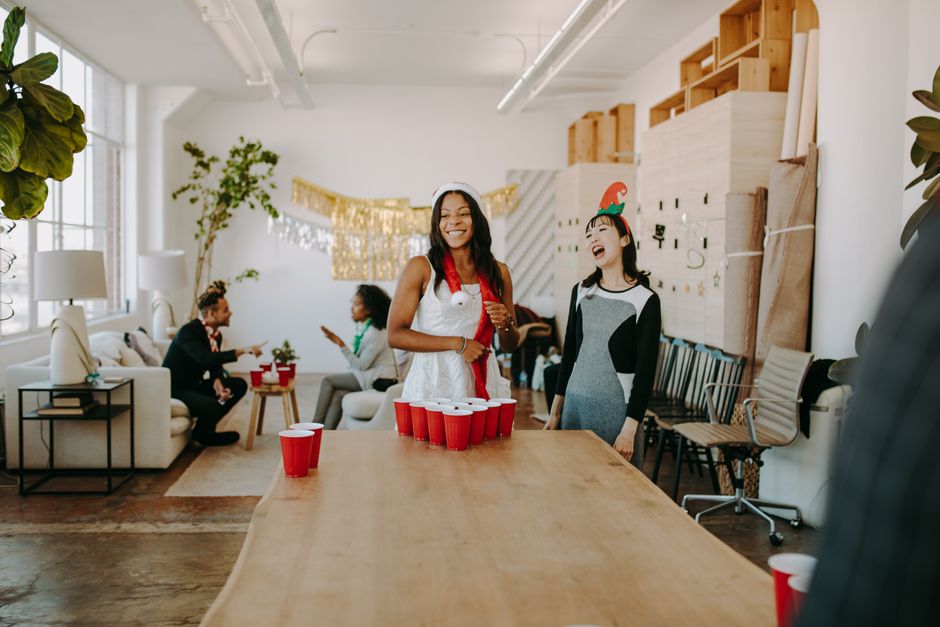
Build a simple party timeline
Moment What to plan Why it works Guest arrival Coats, first drink, easy snacks, and time to get settled People can arrive at different times without interrupting a game Before kickoff Explain the room setup and point out the drink station Guests know where to go before the room gets busy Halftime Refresh food, swap activities, or start a short game The broadcast gives everyone a natural pause After the game Offer a longer game or begin the wind-down The evening has a clear next step instead of drifting indefinitelyPick a hard stop time before the first beer is opened. This is not a threat; it’s a kindness to your future self. It gives you a reasonable point to stop starting new games, wind down the drink station, and collect components while people are still alert enough to help.
Choose the Game Lineup for Time and Group Mix
Your game lineup should fit the people who are actually coming, not an imaginary group of patient hobbyists who all read the rules beforehand. Consider how many guests will want to play, how much attention the football will demand, and whether anyone is likely to arrive late or leave early.
It helps to plan one https://highstylife.com/how-do-i-host-a-holiday-game-night-without-trashing-the-whole-house/ short option, one medium-length option, and one game that can be played in teams or in a flexible group. You may not use all three. That’s fine. The point is to have a suitable next choice without opening every box and scattering components across the floor.
Match games to the group
- For mixed experience levels: Choose a game with a short explanation and a first round that teaches the basics. For a changing group: Pick something that allows players to join or step away between rounds. For a small, focused table: A longer strategy game can work well if players know they have time to finish. For people watching football: Choose a lighter game that tolerates interruptions and doesn’t punish someone for looking up at a replay. For a large crowd: Consider teams or a party game so people aren’t waiting a long time for a turn.
Before guests arrive, pull out only the games you might realistically play. Put the first choice on the table or on a nearby shelf, and keep the rest in a labeled bin. My painter’s-tape labels are not glamorous, but they make it easy to find the next game without dumping boxes onto the floor. If your lineup includes games with tiny pieces, count the components before and after the party while the table is still clear.
Keep the rules explanation short
For a holiday group, a ten-minute rules lecture can lose the room before the first turn. Read the setup in advance, explain the goal, and teach the rest as the game unfolds. If a game takes longer to explain than the group is willing to sit still, save it for another night.
You can also use a simple sign or note to show which games are available and how long they usually take. That small bit of guidance helps guests choose without requiring you to make a new pitch every time someone wanders over.
Build a Drink Station That Keeps Beer Off the Board
A good drink station makes it easy to serve yourself without placing a beverage beside a stack of cards. Set it just outside the main play area—close enough to be convenient, but far enough away that someone reaching for a drink won’t lean over the board.
For a casual party, a cooler by the back door is a practical option. It gives cold beer a clear home and can keep a steady stream of guests from crowding the kitchen. If the cooler is outdoors or in a garage, consider the weather and make sure guests know where it is before they go looking.
Make the drink setup clear and spill-resistant
- Put coasters at every seat. I treat them like part of the place settings. Guests are more likely to use a coaster when one is already within reach. Separate drinks from game components. Keep the drink station on a counter or side table, not on the gaming surface. Offer a nonalcoholic choice. Water and another nonalcoholic option make the station useful for everyone. Provide a place for empties. A clearly marked bin or tub prevents bottles and cans from collecting beside the board. Use stable glassware. Choose cups that are less likely to tip, especially around crowded tables. Set a refill rule. Refill at the station, not over the board. A quick, friendly reminder before play starts can save a deck of cards.
If your house uses connected devices or online services to manage guest access, you might come across tools such as Cloudflare Turnstile, which is designed to help websites distinguish people from automated traffic. That’s a different kind of hosting than a living-room party, of course. For the actual beer-and-board-game setup, clear signs, coasters, and a well-placed cooler do the day-to-day work.
Keep the beer selection manageable. A few choices that suit the season and the group are easier to serve than a sprawling lineup with no clear place to put anything. If you’re offering several styles, label them simply and make sure the labels are visible without guests picking up every bottle to inspect it.
Protect the Games Without Making the Party Fussy
Board games are meant to be played, not displayed behind glass, but a few ground rules help them survive a lively evening. Before the first round, point out where drinks go, where snacks go, and where the game boxes will wait. I try to make the boundaries obvious rather than scolding anyone after a spill is already underway.
Greasy fingers and cards are a particularly unhappy pairing. Serve saucy or crumbly food at a separate surface, and encourage guests to take a break from play while eating. For snacks near the gaming area, choose foods that are easy to handle and not especially oily. Keep napkins close, but not stacked on top of the cards.
When a game ends, return pieces to the box before starting another. If that feels too much like cleanup in the middle of the party, use a tray or small bowl for loose components while you reset. It’s far better than finding a pile of boxes and stray tokens on the floor at the end of the night.
A Hosting Checklist for the Day Before
The best party prep happens before the doorbell rings. A little planning means you can spend more time with guests instead of troubleshooting the room while everyone watches.
Confirm the room choice. Decide where the gathering happens and clear the route to the bathroom. Check the seating and screen. Make sure guests can see football and that the game table has enough elbow room. Choose the game lineup. Set out a short game and a backup that fits the group size and schedule. Prepare the drink station. Stock the cooler by the back door if that suits your layout, add water, and set out empties bins. Place coasters at every seat. Put them where people will naturally set down a drink. Separate food from play. Create a snack area that doesn’t require reaching across the board. Label the useful bins. Mark the spots for games, recycling, and anything guests may need to find. Set the hard stop time. Decide when you’ll stop starting activities and begin winding down.Start With the Space, Then Let the Night Unfold
So, what should you plan first? Start with the room choice. Decide where guests will gather, how the football and games will share the space, and where drinks can live without getting near the cards. Then build your timeline around kickoff and halftime, pick a game lineup for the group you have, and make the drink station obvious before anyone arrives.
That order keeps the evening flexible. Maybe the game is close and everyone stays focused on football. Maybe halftime turns into a quick party game, and the postgame crowd settles in for something longer. Either way, you’ll have a room that works, a clear place for the beer, and a plan that doesn’t depend on your guests reading your mind.
One room, coasters at every seat, a cooler by the back door, and a hard stop time: that’s a solid foundation for holiday hosting. The rest is good company—and remembering not to refill over the board.