In the golden age of streaming services and mobile devices, the way we consume movies has transformed drastically. Gone are the days when watching a film meant solely focusing on the screen for a couple of hours. Now, it's all too common to juggle a smartphone, tablet, or even a laptop while the movie plays in the background. But does multitasking during a movie session diminish the experience? Is passive viewing just as fulfilling as active participation? And how do our attention habits and second screen behavior play into this modern entertainment ritual? Let’s dive in.
Understanding Passive Viewing vs. Active Participation
First, it’s important to clarify what we mean by passive viewing and active participation. Passive viewing is when the movie is on primarily as background noise or comfort, while your mind’s elsewhere—checking notifications, scrolling feeds, or even chatting. Active participation, on the other hand, means giving your focused attention to the film, engaging with its story, characters, and emotions as they unfold.
- Passive Viewing: Movie plays, but you’re not fully tuned in. Your attention is split. Active Participation: You engage fully, savoring each scene and detail.
From my years moderating film discussions and noting the “what we watched after dinner” list, I've noticed that people recall and appreciate movies far more when they watch actively. But is multitasking inherently "bad"? Not necessarily — it depends on your goals for that evening.
The Rise of Mix-and-Match Entertainment Evenings
Streaming platforms like Netflix, Hulu, and Disney+ have revolutionized our choices and flexibility. Abruptly switching between a documentary, a sitcom, or a video game stream on Twitch can pepper your night with variety. When equipped with mobile devices, viewers often blend different entertainment forms into a single evening.
This mix-and-match approach means that sometimes a movie might be background ambiance while you scroll social media or respond to messages. Other times, it’s the centerpiece with your phone tucked away. The streaming convenience, however, often tempts us to opt for the former—constantly toggling between platforms or devices.
Pros of Entertainment Mixtapes
- Offers a relaxed vibe to a night, accommodating short attention spans. Allows quick shifts if content doesn’t hold your interest. Enhances social watching when sharing tidbits or memes.
Cons of Multitasking While Watching
- Missed plot points or subtle storytelling elements. Reduced emotional connection with characters. Can lead to “what did I just watch?” moments—common with second screen behavior.
Platform Switching and Attention Span: The Double-Edged Sword
One hallmark of the streaming era is choice overload. Thousands of titles from diverse genres are at your interactive entertainment fingertips, but with great choice comes great wandering eyes. Studies on attention habits show that frequent platform switching—pausing your movie to peek at a phone or bounce to another app—dilutes immersion.
When a movie competes with your phone’s relentless notifications, your brain tries to juggle two cognitive loads. This division can blunt the experience. It’s why even beloved films feel "flatter" when watched amid constant distractions. Yet, craving some interaction is natural, especially when our usual entertainment taps into more than just watching.
Is There a Time to Pick Interactive Over Passive?
Absolutely. Some nights, choosing interactive experiences—like video games or interactive storytelling apps—align better with your energy and attention habits. If you find your thumbs itching for scrolling or typing, it might be less frustrating to pick a game than to force focus on a complex film.

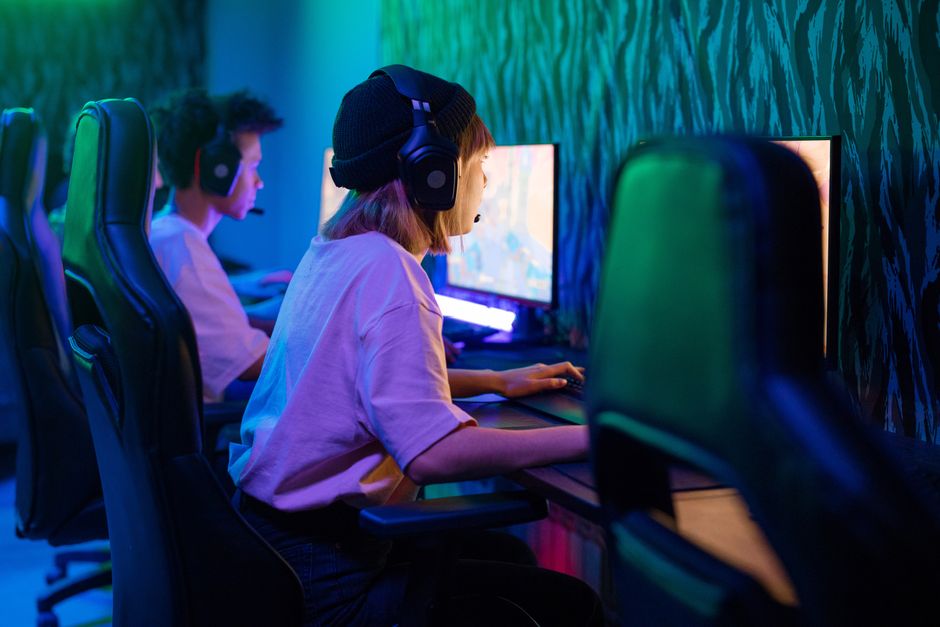
That said, for movies emphasizing mood, plot twists, or dialogue-heavy storytelling, active viewing enhances the payoff. When you settle in for a thriller or a deeply emotional drama, shutting down second screens boosts engagement and satisfaction.
Tips for Navigating Multitasking in Movie Nights
Understanding your personal attention habits helps in deciding when multitasking is a harmless companion versus when it’s a detriment.
Define Your Goal: Is this a background soundtrack style night or a “deep dive” movie session? Limit Notifications: Turn off non-essential alerts to reduce second screen temptation. Choose Wisely: Start with lighter fare if multitasking, reserve intricate films for focused watching. Set a “Phone Zone”: Put mobile devices out of arm’s reach if you want full engagement. Embrace Mix-and-Match: It’s okay to blend formats, but recognize the trade-off in attention. Reflect After Viewing: A quick check-in on what stuck with you can reinforce your memory—even if multitasking was involved.Final Thoughts
Multitasking while watching a movie isn’t intrinsically https://dlf-ne.org/can-movies-and-games-exist-side-by-side-in-one-evening/ bad, but it does change what you get out of the experience. Streaming convenience and mobile devices have normalized second screen behavior, making passive viewing routine. However, for those moments when you want to dive deeply into a story, putting away distractions invites richer immersion and emotional resonance.
Next time you pick a title on Netflix or reach for your phone during a movie, consider your attention habits and what kind of entertainment night you want. Whether you indulge in mix-and-match or settle for focused cinema, understanding when to choose interactive or passive modes enhances your enjoyment in this streaming era.