I’m sitting on my couch, Switch dock gathering a light layer of dust because I haven't used it in weeks—not because I stopped playing, but because I’ve been living in handheld mode. My 32oz water bottle is sitting right here on the coffee table, half-empty, reminding me that I actually need to hydrate today. It’s 6:15 PM. The Slack notifications have finally stopped pinging, and my brain feels like a browser with 400 tabs open, half of them frozen.
If you hang around Discord servers or watch Twitch, you’ve heard the "wellness" talk. Everyone wants to sell you on the idea that gaming is a "mindful practice" or a "digital sanctuary." Let’s cut the corporate wellness fluff. Gaming isn't a retreat to a yoga studio. It’s a tool. It’s a way to transition from the brain-rot of the workday to the reality of existing as a human https://highstylife.com/why-your-neck-and-shoulders-hurt-after-handheld-gaming/ being again. If you’re looking for a quick fix for burnout, stop scrolling—you won't find it here. But if you want to know how to actually use your downtime, let’s look at the two heavy hitters for after work gaming: simulation games and puzzle games.
The Burnout Reality: Streaming Culture and the "Productivity" Trap
We’ve been conditioned by streaming culture to think every gaming session needs to be high-octane content. We see creators grinding 10 hours a day, turning hobbies into a 24/7 engagement cycle. That’s not sustainable, and frankly, that’s not decompression. That’s just a second job with less reliable pay.
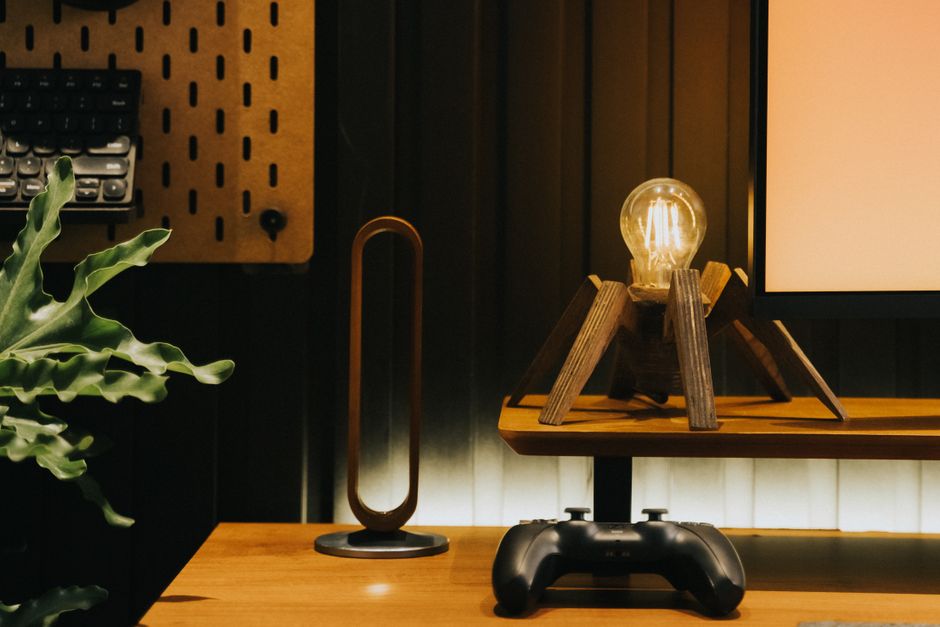
Burnout isn't just about work; it’s about the constant demand for your attention. When we talk about simulation games relaxing the mind or puzzle games unwind-ing the tension, we aren't talking about "productivity." We’re talking about shedding the cognitive load of a day spent making decisions. If you've been in meetings all day, the last thing you need is a game that demands more managerial bandwidth.
Why Simulation Games Work (And When They Don't)
Simulation games are the "comfy chair" of the gaming world. When I boot up a farm sim or a management game, I’m looking for low-stakes agency. Pretty simple.. I want to build something, maintain it, and see a visual result. It’s about creating a predictable loop.
The beauty of these games for after work gaming is the pacing. You can usually play them in "two matches" worth of time—or about 45 minutes of a commute on a train. You’re trading the chaotic, unpredictable nature of a workday for a world where if you water your crops, they grow. It’s cause-and-effect that doesn't involve a client’s email.
The "Simulation" Pros:
- Predictability: You know exactly what happens when you press the button. Progress Visualization: Watching a farm grow or a city develop is a tangible win. Low Pressure: Most simulation games let you put the console down mid-session without losing your progress.
The Case for Puzzle Games: The Art of the Reset
Sometimes, I don't want to manage a farm. Sometimes, I want to incinerate my brain with a logic puzzle. This is where puzzle games unwind-ing the mind comes into play. While simulation games are about building, puzzle games are about focus—what some might call a "flow state."
When you’re deep into a puzzle game, there is no room for thinking about that unfinished report. The game demands 100% of your limited working memory. It’s a forced reset. When I play a good puzzle game on my smartphone during a 20-minute bus ride—"one commute"—the shift in focus is instant. You aren't "relaxing" by doing nothing; you're relaxing by replacing stress with a different, manageable kind of intensity.
The "Puzzle" Pros:
blue light effects on circadian rhythm- Mental Cleansing: Forces you to abandon your work worries because the puzzle requires your full attention. Micro-Downtime Friendly: Most puzzle games are built for quick bursts, perfect for those 10-15 minute gaps in your day. Satisfying Payoff: The dopamine hit from solving a complex level is immediate and sharp.
Comparison: Simulation vs. Puzzle Games
Not every game fits every mood. Here is how they stack up when you’re trying to recover from the daily grind.
Feature Simulation Games Puzzle Games Primary Goal Creation/Maintenance Problem Solving/Focus Mental Load Low (Relaxed) Medium-High (Focused) Session Time Longer (30-60 min) Short (5-20 min) Ideal Platform Handheld Console (Switch/Steam Deck) Smartphone/Portable Console Best For Escapism & "Cozy" vibes Distraction & Mental ResetPortable Gaming: Mastering the Micro-Downtime
Since I started writing about portable gaming, I’ve realized that the "device" matters as much as the game. When you’re at home, the handheld console is your best friend because it keeps you away from your PC. When you’re in transit or waiting for an appointment, the smartphone is king. Don't overthink the "wellness" aspect here. You aren't gaming to "better yourself." You’re gaming to reclaim time that the world tried to steal from you.
If you're feeling burned out, stop trying to force yourself to play high-stakes competitive games just because they're "popular." If your head hurts at 5 PM, don't boot up a shooter. Grab your Switch, grab a glass of water—seriously, you probably haven't drunk enough today—and find the category that fits your energy level.
The Verdict: There is No "Best," Only "Right Now"
Here is the reality check: If someone tells you that "you must play X to reach peak mental performance," ignore them. That’s wellness-industry noise designed to make you feel like you’re doing your leisure time "wrong."
The "right" game for your after-work routine is the one that lets you put your work identity to bed. If you need to feel productive but don't want the stress, simulation games are your best bet. If you need to force your brain to stop obsessing over your inbox, go for a puzzle game.

Ask yourself this: i’ve spent a decade in this industry, and i’ve learned one thing: the best gaming habit is the one you actually stick to without feeling like it's another obligation. Keep your handheld charged, keep your water bottle full, and for heaven’s sake, don't let anyone tell you that your screen time is a moral failing. It's how you reset. Now, if you'll excuse me, I have a virtual garden that needs watering, and I’m about three levels deep into a mobile puzzle game that I’m far too invested in.