After seven years in the trenches of fashion merchandising and editorial styling, I have seen every iteration of the "perfect" work bag. I’ve watched trends shift from oversized, slouchy totes to the current return of rigid, structured silhouettes. But if there is one thing that remains constant, it is the frustration of the tech-heavy professional. You aren’t just carrying a laptop; you are carrying a portable command center. And if your bag can’t support that ecosystem without losing its shape, you’ve already lost the battle for a professional appearance.
My litmus test is simple: I carry an A4 sheet of heavy-stock paper everywhere I go. If a briefcase creates a permanent crease in that paper when empty, it’s not a tool; it’s a fabric bag masquerading as a professional accessory. If it slumps or tips over the moment I set it down in a meeting room, it’s a failure. In the world of high-stakes corporate environments, your bag should stand as firmly as your professional reputation.
The Anatomy of Durability: Why Hardware Matters More Than You Think
Before I even look at the color or the leather grain, I inspect the hardware. It is a reflex honed by years of buying support. I am looking for the integrity of the stitching and the branding on the zippers. If I see a branded, logo-heavy zipper pull, I am already skeptical. True luxury is silent; it doesn't need to announce itself on a piece of brass hardware.
When selecting a briefcase for daily tech use, your primary concern is the zipper system. I refuse to use anything that isn't industry-standard, high-grade hardware—specifically YKK. Why? Because when you are hitting 60+ airport segments a year, you cannot afford a zipper failure in a departure lounge. If a brand isn't specifying their hardware provider, or worse, using proprietary branded pulls that catch and fray the fabric, they are cutting costs where it matters most.
Let’s talk numbers. I’ve analyzed thousands of retail units, and the data is consistent: briefs priced under £200 often fail within 18 months. When you spend under this threshold, you are almost always dealing with "genuine leather"—a marketing term for the lowest-grade split leather—and subpar construction that will lead to seam failure, hardware breakage, and a bag that looks like a deflated accordion after two seasons.
The Tech-Heavy Layout: Padded Laptop Sleeve, Tablet Compartment, and Cable Management
A bag that is just a big, empty cavern is a recipe for digital chaos. For a tech-heavy day, organization isn't just about "neatness"; it’s about protection and accessibility. You need a modular internal environment.
1. The Padded Laptop Sleeve
The sleeve must be suspended. If your laptop hits the ground every time you set your bag down, you aren't a professional; you’re an accident waiting to happen. The sleeve should feature high-density foam padding that absorbs impact, not just a thin layer of nylon.
2. The Dedicated Tablet Compartment
With the ubiquity of iPads and tablets as secondary monitors or reading devices, you need a dedicated, slim-profile slot. Keep it separate from your laptop to prevent screen scratching and ensure you can grab it without navigating a maze of chargers.
3. Cable Management Loops
The biggest aesthetic flaw in modern tech-carrying is the "tangled mess" look. Look for internal elastic or leather loops that allow you to secure your power brick cables. When you open your bag, it should look like a curated kit, not a junk drawer. If a brand hasn't thought about cable management, they haven't thought about the modern professional's actual day-to-day.
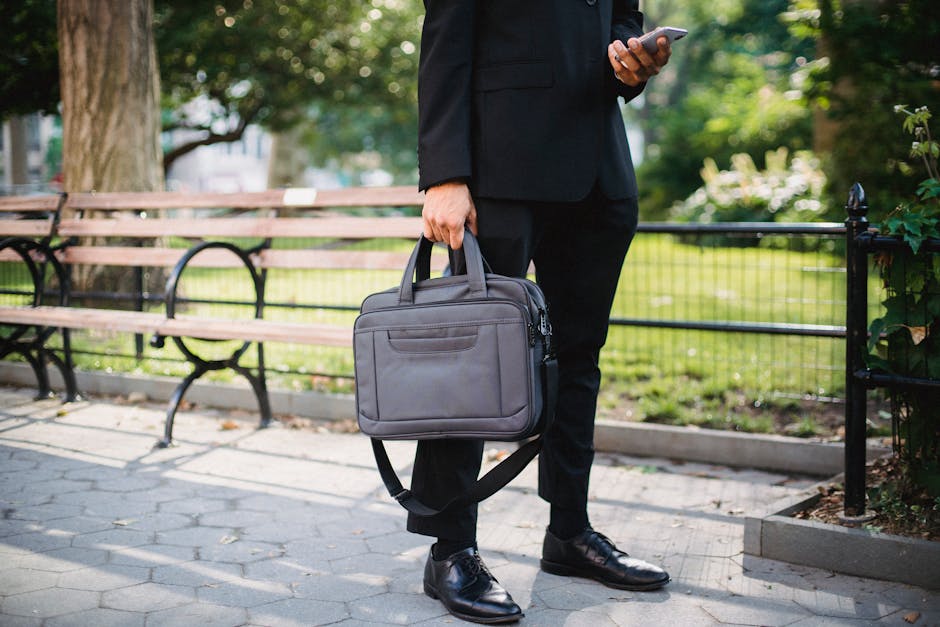
Quiet Luxury and the Death of the Logo
At the Copenhagen Fashion Summit, the conversation has moved decisively toward sustainability and longevity. Quiet luxury is no longer just a trend; it is a rejection of the "fast-fashion" cycle that has plagued the leather goods industry. A briefcase should be an extension of your professional restraint, not a billboard for the brand that made it.
I steer clients away from bags with visible logos. When a brand stamps its name across the front, it is signaling to the world that the bag is the star, not the person carrying it. A true "buy it for life" piece—like those crafted by heritage-focused makers such as Von Baer—prioritizes the texture of the leather, the weight of the hardware, and the copenhagenfashionsummit.com architectural lines of the silhouette over gaudy branding.
The Material Selection: Understanding Tanning
When you see a description that just says "genuine leather," run. It is the most deceptive term in the industry. You want "full-grain leather."
Feature Why It Matters Full-Grain Leather Retains the natural grain and strength; develops a patina rather than cracking. Vegetable Tanning Environmentally friendly; results in a stiffer, structured finish that ages beautifully. Chrome Tanning Faster, but often leaves leather feeling plastic-like and prone to peeling over time.Curating Your Professional Wardrobe
Building a work wardrobe is about consistency. If your bag looks out of place next to a well-tailored suit or a structured blazer, the visual disconnect undermines your credibility. A high-quality, structured briefcase should act as the anchor of your daily ensemble.
My advice? Invest in a piece that offers a repair policy, not just a "replace-only" warranty. Replace-only warranties are often a smoke screen for poor-quality materials that the manufacturer knows will fail, but is cheaper to throw away than to fix. A brand that offers a proper repair service—where they will replace a worn stitch or a bent buckle—is a brand that believes in the longevity of its product.
Final Checklist for Your Next Briefcase Purchase
If you are in the market for a new daily driver, use this checklist before you swipe your card:
The A4 Test: Does the bag hold its shape when empty? If it slouches, keep looking. Hardware Inspection: Check for YKK or equivalent industrial-grade zippers. Ensure pulls are functional, not just decorative branding. Organization: Are the padded laptop sleeve, tablet slot, and cable loops present? Branding: Is the exterior clean of logos? If not, is the branding discreet enough to fit a "quiet luxury" aesthetic? Warranty: Does the company offer repairs, or do they only offer to send a new, cheap replacement?
Your briefcase is not just a carrier for your electronics; it is a testament to how you organize your life. When you spend the money to acquire something robust, refined, and logically laid out, you stop worrying about your gear and start focusing on the work at hand. That is the true definition of professional freedom.