It’s 2:15 AM on a Tuesday. My kids are finally asleep, the laundry is folded, and I’ve got exactly ninety minutes before my own biological clock starts demanding I crawl into bed. I flip on my console, intending to jump into a single-player campaign—the kind where I can actually pause the world. Instead, I’m met with a wall of notifications: activity feeds, "friends" currently broadcasting their sessions, clan challenges, and a barrage of "social passes" that demand I log in daily just to keep my streak alive.
I started a running note on my phone three months ago to track my sleep quality relative to these late-night sessions. The verdict? When I play games that focus on community identity and social hooks, my "wind down" time is effectively non-existent. I’m not playing; I’m participating in a digital ecosystem that never sleeps. And I find myself asking: what does this change for normal players, the ones who just want to unwind after a shift or a chaotic day of parenting?

We are witnessing a fundamental shift where the game is no longer the destination—the community is. Gaming is no longer just a hobby; it is a full-blown gaming social ecosystem.
The Broadcast Culture: Games as Content Factories
If you look at the major streaming platforms—those massive hubs where people watch others play—you realize that games are increasingly built for the audience, not just the participant. Developers aren't just thinking about level design; they are thinking about "clip-ability."
When a game includes features like "instant share" or built-in tools to broadcast directly to these platforms, the focus shifts. You aren't just navigating a dungeon; you are performing for an unseen audience. It turns every player into a creator, and every game into a potential social media feed. This social media integration in games creates a loop where if you aren't sharing your achievements, you’re treated as if the accomplishment didn't happen.
The Impact on the Average Player
- Performative Play: You might feel pressured to play "meta" builds that look cool for a clip rather than what’s actually fun for you. Constant Comparison: Seeing a highlight reel of someone else’s perfect run makes your own progress feel stagnant, even if you’re playing at your own pace. The "Fear of Missing Out": FOMO is no longer just about content; it’s about social currency. If your clan is streaming a raid, you feel socially obligated to jump on, even if you're exhausted.
The Accessibility Trap: Mobile and Cloud Gaming
Ten years ago, "mobile gaming" was a distraction for the bus. Today, it is a primary gaming platform. With the rise of remote server streaming services—those platforms that let you play high-fidelity titles on any screen—the barriers to entry have vanished. You don't need a $500 console anymore; you just need a screen and a decent Wi-Fi connection.
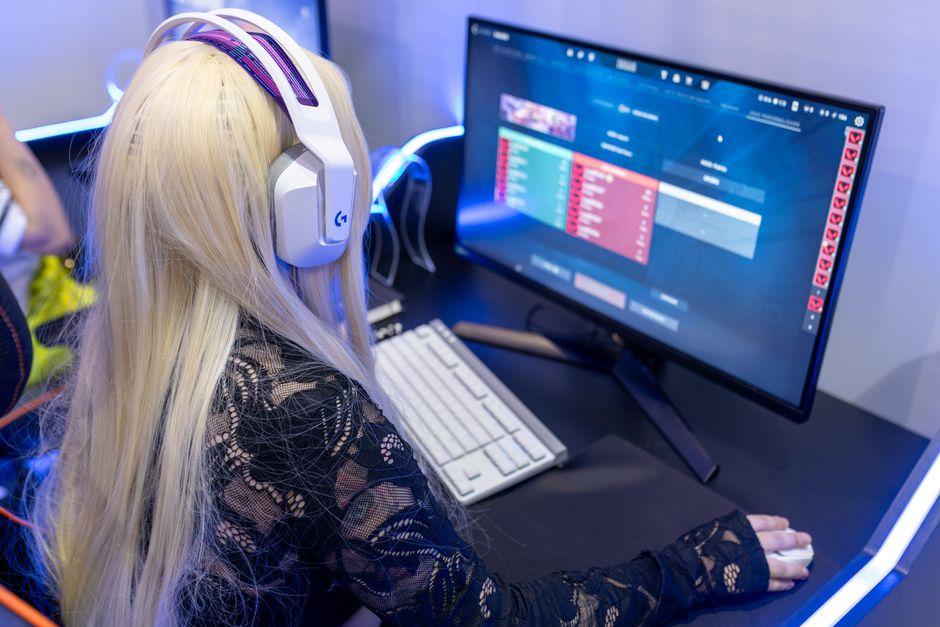
While this is great for accessibility, it also means the game follows you everywhere. Your kitchen table, your office desk, the doctor's waiting room—they all become potential nodes for the gaming social ecosystem. As a parent of three, I love that I can get a quick session in on a tablet while waiting for soccer practice to end. But the drawback is that the "off switch" is harder to find. The social notifications follow you wherever the game goes, turning your phone into a persistent hangout spot.
Discord: The New Digital Living Room
There was a time when social interaction in games meant typing in a chat box or shouting over a headset in a lobby. Now, Discord has become the de facto clubhouse for gaming. It’s where the community identity is forged, often independent of the game itself.
Discord is brilliant, but it’s also the engine of the "always-on" culture. You might not be playing a game, but you see your friends online, chatting in a voice channel, and you feel that phantom buzz to connect. It mimics the behavior of platforms like X or Facebook—you check in, you scroll, you comment, you engage. Does this make gaming better? For some, it builds deep friendships. But for the normal player, it adds a layer of social management that can turn a relaxing hobby into a social obligation.
Feature Old-School Gaming Social Media-Integrated Gaming Goal Beat the game/finish the story Maintain social status/clout Communication In-game lobby/voice External apps (Discord, etc.) Progression Personal skill/levels Community ranks/daily streaks Visibility Private/Local Public/Streaming-focusedWhat Does This Change for Normal Players?
I hear a lot of people talking about the "future of the metaverse" or how gaming is the "ultimate social platform." Usually, these folks are selling something or trying to inflate their stock price. They ignore the reality of the person sitting on their couch at 11:00 PM.
For the normal player, these social layers mean:
Increased Cognitive Load: You aren't just tracking game mechanics; you're tracking social dynamics, clan schedules, and streaming trends. Diluted Focus: The game is no longer just about mastering the mechanics; it’s about managing the community aspect. Sleep Disruption: This isn't "medical advice," and I’m not a doctor, but looking at my sleep log, the correlation between "social-heavy" sessions and poor sleep quality is undeniable. The brain doesn't shut off when you're engaging in social conflict or coordination, even if it's just digital.I often ask myself: If I removed the social media integration, would this game still be fun? If the answer is "no," then the game isn't a game—it's just a social platform with a leaderboard attached. We need to be careful about letting these corporate design choices dictate how we spend our limited free time.
Finding the Balance in a Connected World
I’m not a Luddite. I love that I can play with friends who moved across the country. I love the community aspects of games that allow for genuine connection. But we need to reclaim the "single-player" mindset. We need to remember that it is okay to play a game, reach the end, and put the controller down without checking a feed or discord notification.
When you sit down to play tonight, ask yourself if you’re playing because you want to, or because you’re trapped in the social engine. Try turning off the notifications. Disconnect the status updates. See if the game itself is enough. As for me, I’m going to try to hit the pillow by midnight tonight. My sleep log suggests that my gaming-to-parenting ratio is a little lopsided, and my kids aren't going to care about my leaderboard rank in the morning—they’re going to care about who’s making the pancakes.
Gaming should be an escape, not a second shift. Don't let the social ecosystem turn your hobby into an obligation. Play for yourself, play because it’s fun, and for thehake.com heaven's sake, get some sleep.