In today’s nightlife and leisure scene, multi-activity venues are rapidly replacing the traditional, single-purpose night out. No longer do groups have to choose between a bar or a bowling alley, a concert venue or a dining spot. Instead, these all-in-one venues offer a seamless blend of entertainment options under one roof, making nights out more versatile and engaging for everyone involved.
But what exactly makes a multi-activity venue layout work well? How can a space be designed to handle varied guest interests while ensuring the evening flows effortlessly? In this post, we’ll break down the essential elements of a successful layout that encourages easy transitions, highlights dining as a destination, supports live events, and incorporates social spaces that connect diverse groups.
Before we dive in, a quick note: One common pitfall in venue descriptions is the absence of clear pricing information. It's not just a minor detail—it’s vital for guests planning their evenings. We’ll mention how design can even support transparent pricing zones, but relatejokes.com first, let's explore the core layout principles.
All-In-One Venues Are Changing the Night Out
Traditional nightlife often forced groups into a “choose one” scenario—a group might debate between seeing a band or grabbing dinner, bowling or hitting a dance floor. Multi-activity venues erase those limits by offering several distinct experiences in one place.
Successful multi-activity venues encourage guests to move naturally from one activity to the next without feeling disoriented or overwhelmed. That means the physical layout must prioritize flow and clarity above all.
Key Takeaway: Design for Easy Transitions
- Clear zones: Distinct activity areas defined by sightlines, décor, or subtle architectural cues help guests easily locate their interests like a bowling alley, arcade, dining area, or stage. Logical pathways: Walkways between areas should feel intuitive—not like a maze—and wide enough to accommodate groups moving between spaces. Sound buffering: Noise management between zones preserves atmospheres and lets guests enjoy each activity without disruption.
Ultimately, the design should feel like a natural progression of experiences, not a chaotic hodgepodge.
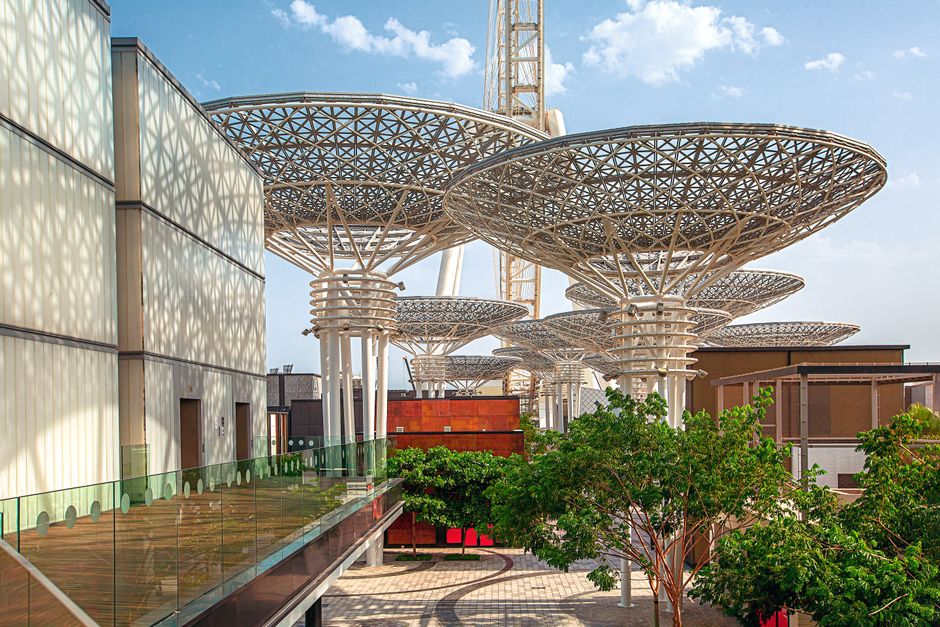
Dining as a Destination, Not an Afterthought
In many multi-activity venues, dining gets treated as a secondary service—something you fit in before or after the main entertainment. This is a missed opportunity. The best layouts position dining as a prominent destination, blending culinary appeal with social energy.
How to Put Dining Front and Center
Central location: Position dining spaces near social hubs and main thoroughfares so they’re visible and easy to access. Flexible seating: Mix communal tables, intimate booths, and bar seating to suit different group sizes and moods. Open kitchen concepts: Inviting guests into the kitchen atmosphere increases engagement and buzz.When food becomes a core part of the evening flow, guests linger longer, order more, and often spend more overall.
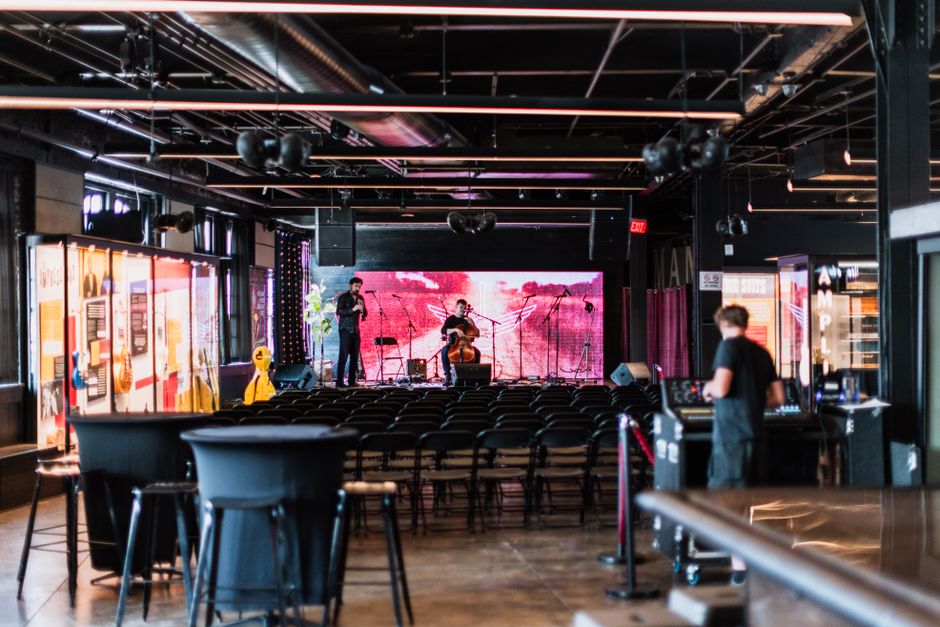
Live Events Shape the Flow of the Evening
Live performances and events inject dynamism into multi-activity venues, anchoring the night and prompting natural movement patterns among attendees.
Successful venue layouts recognize the power of live events to structure the evening and influence crowd behavior.
Layout Features that Support Live Events
- Visible stages: Position stages so they’re visible from various parts of the venue, even partially, to draw guests in. Adjustable seating: Offer seating that can be rearranged to accommodate different show formats—standing room, seats, or mingling areas. Pre- and post-show zones: Allocate spaces like lounges or bars near the stage to support socializing before and after performances. Sound zoning: Precise acoustic design to keep music contained yet immersive, ensuring other activities aren’t drowned out.
Live events can inspire group activities or quiet moments alike—layout must flex accordingly.
Social Spaces: The Glue of Mixed-Interest Groups
Groups visiting multi-activity venues often consist of people with varying interests—some might be there for games, others for drinks or just conversation. Central social spaces act as a crucial glue, offering places for everyone to gather, regroup, and plan next steps.
What Makes a Good Social Space?
Feature Benefit Central location Easy to find and serves as a natural meeting point Comfortable seating Invites lingering and conversation Accessible bar or refreshment stations Encourages socializing over drinks or snacks Flexible layout Allows small or large groups to cluster comfortablyThese spaces help mixed-interest groups sync their plans without splitting up or feeling isolated.
Don’t Overlook Pricing Clarity
One of the most overlooked but vital aspects of multi-activity venues is clear pricing communication. Without upfront information about costs—whether for games, food, events, or cover charges—guests can feel uncertain or even duped after arrival. Effective layout design can even aid transparency here.
Pricing Transparency Strategies in Layout
- Dedicated pricing boards: Large, clearly visible displays at main entrances and near activity zones. Information kiosks: Staffed or digital kiosks to answer questions quickly. Unified ticketing and wristbands: Streamlined payment methods to reduce confusion. Highlight dining prices: Menus placed where guests naturally congregate.
Communicating pricing upfront avoids frustration and helps guests plan their evening activities more freely.
Summing Up: The Anatomy of a Great Multi-Activity Venue Layout
To recap, successful multi-activity venue layouts share these key traits:
- Easy transitions: Well-defined zones connected by intuitive pathways for seamless movement. Central social areas: Comfortable, flexible spaces acting as regroup points for mixed-interest groups. Dining as a highlight: Food offerings positioned as attractive destinations integral to the night. Live events integration: Spaces that promote engagement while respecting acoustics and flow. Clear pricing visibility: Transparent cost info that builds trust and enables smart planning.
By focusing on these principles, multi-activity venues become dynamic environments where diverse groups can enjoy different experiences without fragmentation or confusion.
Share This Insight
If you found this guide useful for planning your next venue visit or are involved in venue design, help others discover it by sharing:
- Share on Facebook Share on X (Twitter)