Choosing the right golf photograph to hang above your desk in a home office or simulator room is more than just picking a pretty picture. It’s about blending the rich legacy of golf photography with a calming atmosphere that enhances focus and creativity. Over 12 years working inside private clubs and resort courses, I’ve developed a keen eye for what makes golf art resonate—not just for the sport’s fans, but for any workspace seeking calm landscape photos that elevate a room’s ambiance.
In this post, we’ll delve into the history and legacy of golf photography, how to balance documentation versus atmosphere, key composition principles like leading lines and negative space, and the importance of light and time of day. Along the way, I’ll naturally mention some great resources and companies that support golf culture and creative projects, including GolfBlogger Golf Blog, Parx Design, and Akismet. Plus, I’ll touch on tools like the Akismet spam filter and Facebook sharing functionalities many blogs use—because when you find the perfect photo, sharing the inspiration matters!
The Legacy of Golf Photography: More Than Just a Snapshot
Golf photography has a rich history that tracks not just the evolution of the sport’s equipment, players, and courses, but also the emergence of artistic approaches to capturing this timeless game. Early golf photos were predominantly documentary—a record of famous players, tournaments, and course landscapes that conveyed important moments.
As photography techniques and aesthetics evolved, so did the style of golf images. Today’s golf photography blends heritage with atmosphere, often focusing on immersive, calm landscape photos that invite viewers into a contemplative space rather than just telling a story. This legacy informs what type of art you’d want above a desk:
- Historical photographs evoke nostalgia but can sometimes feel busy or cluttered when enlarged into prints. Modern fine art golf photography emphasizes mood, lighting, and minimalism—qualities perfect for maintaining a focused, calming workspace.
GolfBlogger Golf Blog has chronicled this evolution beautifully, highlighting photographers who prioritize both the narrative and artistic aspects of the sport. Their insights can be a great resource if you want to discover new artists or understand how golf photography carries tradition forward.
Documentation vs Atmosphere: What Should Your Golf Photo Convey?
When selecting golf photography for home office wall art, ask yourself: do you want the photo to document a specific moment, or create a particular atmosphere? The answer guides not only your choice but also the size, framing, and placement of the piece.
Aspect Documentation Atmosphere Focus Specific player, event, or course detail. Light, color, shape, mood. Effect on Room Can be energetic or nostalgic but sometimes too busy. Usually calm, balanced, and enhances concentration. Best For Memorabilia collections or sport-themed rooms. Home offices, simulator rooms, spaces needing tranquility.In my experience, and echoed in the expertise behind Parx Design’s interior solutions, golf photography that emphasizes atmosphere better suits workspaces. A calm landscape photo, printed horizontally above your desk, provides a visual “breath of fresh air” and introduces leading lines that gently direct your gaze without overwhelming your senses.
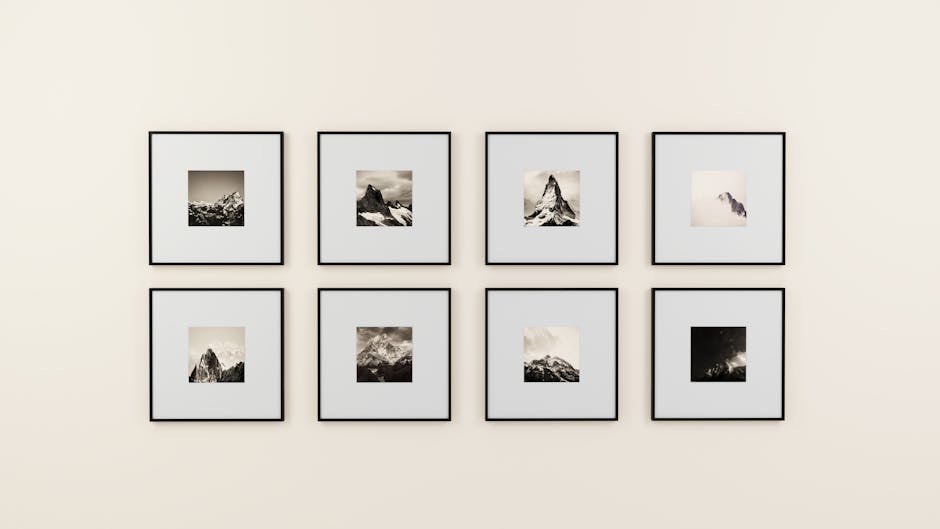
Composition: Leading Lines and Negative Space in Golf Photography
My background in merchandising taught me to spot instantly when a golf photo uses composition elements well—and Look at this website this skill transfers seamlessly to interiors. Leading lines are natural or manmade lines in the photograph that draw the eye into and through the image, creating depth and focus. In golf, these are often:
- Fairways stretching into the distance Paths winding alongside greens Rows of trees or fences framing the scene
Negative space—the areas of open sky, smooth greens, or calm water—gives the eyes room to rest and adds a peaceful balance. For your home office wall art, these elements avoid “visual noise,” letting you maintain focus rather than getting distracted by cluttered imagery.
I frequently recommend horizontal prints for desks since their wide aspect ratio complements an office layout and seating position. This shape reinforces those natural leading lines, helping to ground a workspace visually.

Practical Tips for Selecting Composition
Choose images with clear, simple lines and ample negative space. Avoid overly busy photographs with too many players, flags, or objects. Look for images where leading lines point inward or toward the desk area, which subtly draws your eye back when you glance up.Light and Time of Day: Setting the Mood
The magic of golf photography often happens during golden hours—early morning or late afternoon—when the light is warm, soft, and directional. This enhances textures and colors on the course, creating an inviting and serene atmosphere.
Conversely, mid-day shots with harsh sunlight can create strong contrasts but may introduce distractions or harsh shadows that can seem busy or tiring in an office environment.
When jurying prints for your home office wall art:
- Choose images that embrace warm, natural light—think sunrise or sunset over a calm course. Avoid night or overcast images that can feel gloomy or muted. Consider how the lighting complements your office’s own natural light and color scheme.
Sharing the Joy: Integrating Golf Photography into Your Work Culture
After you find the perfect calm landscape photo, how do you share that inspiration with others? Many golf blogs, including GolfBlogger Golf Blog, leverage tools like Akismet to reduce comment spam on their posts, ensuring meaningful conversations about golf art can flourish. Similarly, sharing your golf art finds on Facebook helps spread the love far beyond just your desk’s four walls.
By embracing these digital tools, the golf art community grows stronger, and more players and enthusiasts can appreciate the intersection of sport and design.
Conclusion: Elevate Your Workspace with Purposeful Golf Photography
Golf photography above wood frame golf wall art a desk should do more than remind you of your favorite sport. It needs to enhance your workspace with calmness, inspiration, and visual harmony. By honoring the legacy of golf photography, balancing documentation and atmosphere, applying key composition principles like leading lines and negative space, and selecting the right lighting and time of day, you create a home office wall art piece that truly works.
If you’re hunting for golf art prints that fit this ethos, check out Parx Design’s curated collections or explore stories on GolfBlogger Golf Blog. And if you manage a golf art blog or gallery, consider Akismet for spam reduction and Facebook sharing tools to build your community.
Remember, one strong, horizontal print of a calm golf landscape is often better than a cluttered wall of memorabilia. It’s about quality, mood, and how the image guides your eye—and your mind—as you work.