As a recording and mix engineer with over 12 years of experience, I’ve been there: grinding through a late-night tracking block, relying on coffee to keep the creativity flowing. We all know that magical window of late-night creativity — when everything clicks and the synchrony effect between ears and mind feels unbeatable. But the catch? That caffeine fuel can sabotage your precious sleep afterward.
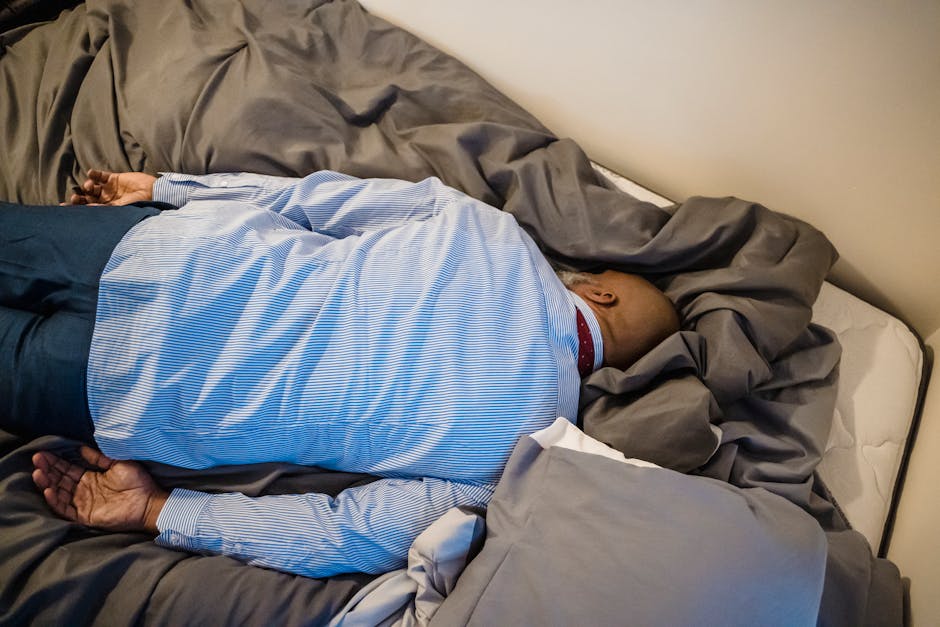
In this post, I’m breaking down exactly when you should stop drinking coffee if you want to get quality rest after a session. I’ll touch on some tricky studio realities like ear fatigue, loudness creep, and the tough decisions we make post-3 am — often regretted by morning. Plus, I’ll mention some practical sleep aids like Joy Organics and their Joy Organics CBD Go to the website Sleep Gummies, which helped me personally regain sleep depth after caffeine-fueled nights.
The Late-Night Creativity and the Synchrony Effect
Late-night sessions have a certain magic, especially in small commercial rooms and home studios. When you’re tracking vocals or instruments through studio monitors, the muscle memory and sonic details sometimes just click after hours of focused work.
This synchrony effect — the perfect alignment of auditory perception, brainwaves, and creative flow — is often why engineers and musicians push past fatigue. But the catch is that caffeine, while heightening alertness, can overstimulate your system, making it harder to unwind when it’s time to rest.
Understanding the Physiology: Sleep Depth & Caffeine Half-Life
Caffeine’s influence on sleep is an underestimated enemy. The “caffeine half-life” — the time it takes for your body to reduce caffeine levels by half — ranges from about 5 to 6 hours for most adults. That means:
- If you have a cup of coffee at 7 pm, roughly half the caffeine is still in your system around midnight. Its impact lingers, reducing sleep depth and extending the time it takes to fall asleep. It can disrupt REM cycles, causing restless or shallow sleep, which affects next-day creativity and focus.
So, if you’re tracking until late or mixing dimly lit sessions past midnight, be mindful of when you sip that last coffee.
When Should You Cut Caffeine?
Based on the 5-6 hour half-life rule, here’s a practical guideline:
Desired Sleep Time Latest Coffee Intake Reasoning 10:00 PM Before 4:00 PM Minimizes caffeine impact for deep restorative sleep 12:00 AM (Midnight) Before 6:00 PM Avoids significant caffeine lingering 2:00 AM Before 8:00 PM Allows some caffeine clearance but still borderlineIf your session goes late, try to swap coffee with herbal tea or water starting early evening. It keeps you hydrated and avoids stacking caffeine doses too close to sleep time.
Ear Fatigue and Temporary Threshold Shift: The Hidden Consequences of Late Coffee
Long nights at the studio monitors expose your ears to sound fatigue. Add the stimulant effects of caffeine, and you get what I call the “double trouble” effect:
- Temporary threshold shift (TTS): Prolonged loud monitoring combined with fatigue temporarily reduces your hearing sensitivity, making you turn up the volume — aka loudness creep. Caffeine's impact: Raising alertness but also jitteriness can worsen stress on your auditory system. Loudness creep: Increasing monitoring volume to “compensate” can cause mix decisions that sound fine at 2 AM but don’t hold up in daylight.
This cycle often causes engineers to fatigue faster, make poor mixing choices, and wake up regretting their “inspired” late-night tweaks.
Managing Monitoring Habits for Better Sleep & Mix Accuracy
Given the challenges, here are some tips to maintain healthy ears, avoid loudness creep, and respect your sleep rhythms:
Take breaks every hour: Step away from the monitors. Light stretching and relaxation help reduce ear fatigue. Control overall volume: Avoid maxing out studio monitors during late sessions; moderate levels give clearer perspective and prolong ear health. Dim the lights: I always dim the studio lights the minute tracking ends. This helps signal your brain to unwind and reduces overstimulation. Limit caffeine early evening: Cut coffee by 6 PM or earlier, then hydrate well. If needed, consider non-caffeinated alternatives.Sleep Deprivation and Bad Studio Decisions: Why Staying Up Late & Wired Backfires
Caffeine delays tiredness, but it does not replace the restorative power of actual sleep. Sleep deprivation causes:
- Impaired auditory processing Reduced creative insight Poor decision-making on mix balances and EQ Increased irritability and impatience with collaborators
If you’re like me, you keep a mental list of “2 AM decisions” to redo after a good night’s rest. The best producers and engineers recognize that no mix is worth sacrificing solid sleep.
Using Natural Sleep Aids Like Joy Organics CBD Sleep Gummies
After long caffeine-fueled Click here for info nights, I’ve found it invaluable to support my sleep quality naturally. Products like Joy Organics and their CBD Sleep Gummies have been game-changers for me:
- They promote relaxation without feeling groggy in the morning. Help reduce anxiety around falling asleep after late-night sessions. Are tested with full transparency — unlike many supplements without a certificate of analysis.
Of course, these supplements are an addition, not a replacement, for proper caffeine management and sleep hygiene.
Final Takeaways: How to Protect Your Sleep After Late Studio Sessions
- Cut caffeine early evening: Aim to stop coffee at least 5-6 hours before desired sleep to minimize stimulant effects and preserve sleep depth. Mind your monitoring habits: Manage volume, take breaks, and be wary of loudness creep that leads to bad mix decisions. Help your ears and brain wind down: Dim lights immediately post-tracking to support natural circadian rhythms. Consider natural sleep aids: Products like Joy Organics CBD Sleep Gummies can improve sleep quality when used responsibly. Keep a ‘2 AM decisions’ redo list: Let your well-rested brain revisit and refine late-night mix choices.
Remember, mastering your craft is a marathon, not a sprint. Respect your body’s caffeine metabolism and sleep needs, and your ears and creative mojo will thank you in the long run.

Got a late-night tracking habit? When do you cut caffeine? Share your experiences below!
```