For decades, the typical golfer’s den or home office has shared a common visual vocabulary: walls crowded with flags, pinned scorecards, and a mishmash of memorabilia painstakingly collected from rounds played or tournaments attended. Yet, as more golf enthusiasts embrace refined golf decor and cultivate design-conscious homes, this tradition is evolving. Today’s golfers are moving away from overt collections of flags and scorecards, gravitating instead toward curated interiors that balance golf's legacy with a strong sense of atmosphere and style.
In this post, we'll explore why this shift is happening, with insights into the fascinating history of golf photography, how documentation diverges from ambiance, and the critical role of composition, leading lines, and lighting in crafting interiors that respect golf’s soul without overwhelming it.

The Legacy of Golf Photography and Memorabilia
Golf’s visual history is rich. Early golf photography began as simple documentation—black and white images capturing legendary players, iconic courses, and memorable tournaments for magazines and archives. Over time, golf culture expanded beyond just photos; objects like flags marking holes and handwritten scorecards became symbolic trophies, testifying to rounds played and personal milestones.
GolfBlogger Golf Blog, for instance, often highlights vintage golf photography that captures both the technical and emotional aspects of the game, reminding us how these images were once the primary means to celebrate golf achievements. Flags and scorecards offered tangible proof: “I was here, I played, I conquered.”
However, while documentation carries undeniable nostalgia, the purely cluttered display of such elements in modern interiors is losing its appeal.
Documentation vs. Atmosphere: The Design Dilemma
The essential tension is between documentation—the urge to showcase accomplishments through every pin and card—and the desire to foster a palpable atmosphere within a space. As more players and club members work harder at creating warm, inviting environments, the once-common wall taped with various flags and scorecards now strikes many as noisy and distracting.
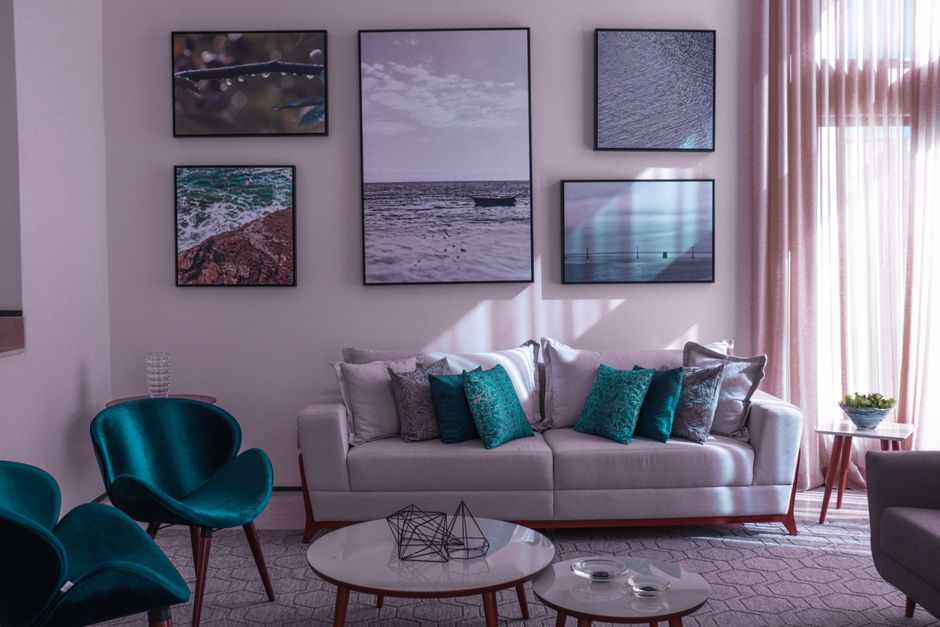
Parx Design, a leader in golf-inspired interior design, emphasizes that golf art should be about storytelling through mood and feeling, not mere proof of presence. As they advocate, choosing one strong, well-curated piece—in a tasteful frame and with an emphasis on composition—can anchor a room far better than a cluttered collage.
On top of that, the desire for serene, harmonious spaces dovetails with a general trend toward minimalist and sophisticated interiors. For design-conscious homeowners, random memorabilia often feels discordant with other elements like clean lines, muted palettes, and elegant furnishings.
Composition and Leading Lines: The Photographer’s Eye Meets the Interior Designer
This shift in taste reflects what I often notice first as a golf photographer: the power of composition and leading lines in making golf art not just seen but felt. Rather than scattering numerous small objects across a wall, consider what happens when a single, striking photograph of a course at dawn, or a close-up of a weathered green flag fluttering against a moody sky, occupies the space.
Leading lines in such photography—be it the edge of a fairway, the curve of a bunker, or a row of trees—naturally draw the viewer’s eye inward and onward. This kind of art creates a journey in the room, encouraging reflection and calm rather than overstimulation.
When scorecards and flags dominate a wall, these compositional principles evaporate. Instead, you get what feels like static clutter, a pastiche that competes with rather than complements the room.
The Role of Light and Time of Day in Golf Art for Interiors
Another key element that separates refined golf decor from cluttered memorabilia is the use of light and the time of day captured in images. Golf courses are unique in that they transform dramatically with light—from the soft pastels of early morning, to the golden hues of late afternoon, to the harsh contrasts of midday sun.
Art that captures golf during these varied times creates atmosphere through natural storytelling. For example:
- Morning shots: evoke renewal and quiet contemplation, perfect for home offices. Golden hour: impart warmth and richness suitable for living rooms or libraries. Twilight or cloudy weather: add moodiness and drama for more modern, artistically inclined interiors.
This nuance is lost in the outdated approach of simply slapping up flags or scorecards, which say little about time or place.
Technology and Curation: Modern Tools for Sharing and Spam Reduction
Interestingly, the the contemporary golfer’s relationship with golf art is shaped not only by design and legacy but also by technology. For example, platforms that share golf stories and photographs—like GolfBlogger Golf Blog—emphasize curated collections over haphazard galleries, curating content that enhances both the sport and the viewing experience.
On the technical side, tools like Akismet help maintain the quality of conversations and contributions on such blogs by minimizing spam. This ensures that discussions around golf decor, art, and memorabilia stay focused on meaningful, thoughtful content.
On top of that, sharing via networks such as Facebook allows golfers to present their finds or designs within frameworks that value style and context. The ability to share a single stunning photo of a golf hole at dawn far outweighs posting dozens of random flags and scorecards that lack cohesion.
Practical Recommendations for Golfers Redesigning Their Interiors
If you’re a golfer looking to update your space, here are some tips derived from years immersed in private clubs, resort courses, and the interiors of golf enthusiasts:
Prioritize “one strong piece”: Choose a single large-format photograph or artistic print that evokes emotion and complements the room’s palette. Avoid clutter: Rather than a multitude of small flags or paper items, use elegant frames or shadowboxes to house a meaningful single flag or scorecard. Use leading lines: Opt for artwork that naturally draws the eye, creating flow and balance within the space. Consider the light: Match golf photography’s time of day to the feeling of your space—soft mornings for calm zones, sunset hues for warmth. Leverage technology: Follow curated content hubs like GolfBlogger Golf Blog for inspiration and use tools like Akismet-enabled forums to engage with communities free of spam clutter. Resist literal decor: Avoid the temptation to turn rooms into trophy cabinets; instead, focus on art that tells stories and enhances atmosphere.When Golf Art Looks Wrong
Having spent over a decade around golf clubs and meticulously observing interiors, I keep a mental list of spaces where golf art looks off:
- Walls plastered randomly with overlapping flags that create visual noise. Bundles of scorecards taped to doors or corkboards, aiming more for quantity than impact. Rooms decorated with golf memorabilia that clash with the rest of the interior’s tone and style. Spaces where the golf items overshadow everything else, stifling personality rather than enhancing it.
Here's what kills me: by contrast, thoughtfully selected golf photography—unyielding to clichés but rooted in heritage—can transform a room into a sanctuary where golf’s legacy melds with timeless design.
Conclusion: From Clutter to Curated Elegance in Golf Decor
The growing move away from flags and scorecards adorning walls reflects a deeper appreciation among golfers for spaces that breathe. The legacy of golf photography now serves as a bridge—from mere documentation to evocative art that utilizes composition, leading lines, and light to create atmosphere. In design-conscious homes, curated interiors tell Parx Design vs Etsy prints a story without shouting, inviting golfers to honor their passion with refined decor that complements their lifestyle.
Next time you consider what golf memorabilia to display, remember: sometimes less truly is more. Focus on one powerful, artfully composed piece and let that speak volumes about your love for the game.