Look, I’ve spent silk bonnet vs satin cap nine years behind a salon reception desk. I’ve heard every hair complaint under the sun, from “my hairdresser ignored me” to “my hair is melting.” But one of the most common, soul-crushing grievances I heard every Tuesday morning? The 10:30 PM "I’m too tired to brush my hair" regret that turns into an absolute bird’s nest at the nape of the neck by 7:00 AM.
If you’re waking up with a clump of matted hair right where your hairline meets your neck, you aren’t alone. It’s not just a sign of "bad" hair; it’s a symptom of physics. And the good news? You don’t need a miracle in a bottle to fix it. You just need to change how you treat your hair for the eight hours you’re unconscious.
The Physics of the "Nape Mess"
Before we get into the "how-to," let’s talk about the "why." When you go to bed, your head acts like a giant spinning top. Every time you toss, turn, or check your phone, your hair is being dragged across your pillowcase. Because the hair at the nape of your neck is often finer and shorter, it’s the most prone to catching, snagging, and folding in on itself.
If you’re sleeping on cotton, you’re basically dragging your hair across a microscopic velcro surface. Cotton absorbs moisture—it’s thirsty fabric. It pulls the natural oils (sebum) right out of your strands, leaving them dry, brittle, and ready to snap together at the slightest touch. When the cuticle is dry, it lifts, and lifted cuticles act like hooks. One strand hooks onto another, and by morning, you’ve got a knot that would make a sailor weep.
Preventative Care vs. The "Repair" Fallacy
One thing I learned after a decade in the industry is that the beauty industry loves selling you "repair" masks for damage that shouldn't have happened in the first place. You don't need a $100 bond-builder if you just stop the mechanical damage overnight. Think of it as "preventative maintenance." Much like you wouldn't leave your car parked under a dripping pipe for a week, you shouldn't leave your hair to fend for itself against a cotton pillowcase.
Three Tiny Changes That Add Up
I’m not into complex rituals. If you have to spend 20 minutes getting ready for bed, you won’t do it for more than three days. Here are the shifts that actually stick:
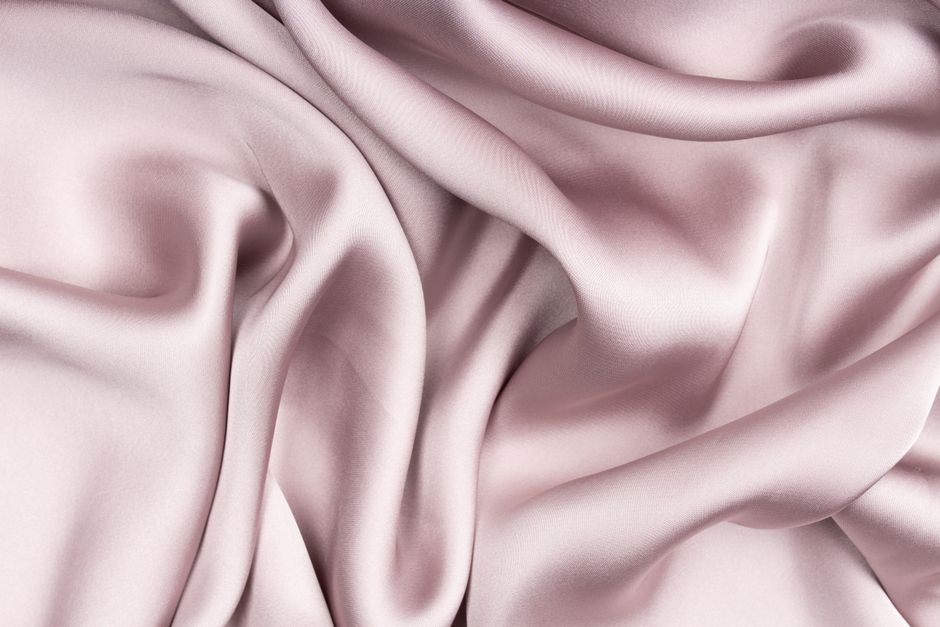
The Pre-Sleep Detangle: Even if you are exhausted, use a wide-tooth comb or a decent brush to remove the day’s tangles *before* your head hits the pillow. Sleeping on top of existing tangles is just inviting them to tighten. Switch Your Surface: Cotton is for shirts, not for hair. Investing in silk or high-quality satin is the single biggest "tiny change" you can make. It reduces the friction coefficient significantly. Brands like Silk Bonnet World have become a staple for my clients because they actually understand that keeping the cuticle flat is the goal, not just aesthetics. The "Pineapple" Technique: If your hair is long enough, tie it into a high, loose bun or a ponytail using a silk scrunchie. Keeping the weight of the hair off the nape of your neck prevents that grinding friction against the collar of your pyjamas or the bedsheets.The Role of Moisture Loss
Let's talk about dryness. If you have wavy, curly, or bleached hair, you are losing moisture faster than a sponge in the desert. Overnight, your scalp’s sebum production slows down. If your ends are already thirsty, they become brittle.
I often suggest looking at resources like Female.com.au for advice on local, climate-appropriate hair care. Because our Australian climate is so harsh, what works for someone in a humid European winter isn't always going to work for us. Dry, dehydrated hair is physically lighter and "fluffier," meaning it moves more when you sleep. Moisture equals weight and slip, which equals fewer knots.
Troubleshooting By Hair Type
We’re all different, and what causes a Look at more info knot for a fine-haired girl won't be the same issue for someone with thick, coarse texture. Check the table below to see where you might be slipping up:
Hair Type The Nape Problem The Fix Fine/Straight Static and snagging. A silk pillowcase is non-negotiable. Avoid heavy serums. Curly/Coily Friction causes "webbing" or matting. Use a silk bonnet from a provider like Silk Bonnet World to keep the curls contained. Bleached/Processed Cuticle damage means strands interlock. Light, leave-in hydration before bed. Seal with an oil. Thick/Coarse Weight creates drag. Loose braiding to keep strands from moving independently.Why Quality Tools Matter (And Why They Don't Have To Cost A Fortune)
I see a lot of people chasing "miracle" ingredients while using a brush that’s missing half its bristles or a hair tie that’s just a rubber band wrapped in fabric. Tools matter. If you are looking to upgrade your kit, sourcing quality brushes or detanglers from reputable sites like Trillion.com can save you hundreds of dollars in salon visits over the long term. You don't need a thousand products; you need the right two or three that actually perform.
Stop looking for "overnight growth" or "miracle repair" and start looking for "friction reduction." That is the secret the hair industry doesn't want to tell you, because there's no profit in you simply brushing your hair properly and sleeping on silk.
Let’s Keep the Conversation Going
Hair care shouldn't be a source of stress. It’s a part of your daily rhythm, not a chore that keeps you up until midnight. If you've got a specific struggle with your hair, don't keep it to yourself—I’ve likely heard it before.
If you found this helpful, why not share it with a friend who’s always complaining about their morning "bed-head"? You can find us on:
- TikTok for quick 30-second hair hacks. Instagram for daily tips and salon-grade common sense. YouTube for deep-dives into product ingredients (minus the marketing fluff).
And if you want to spread the word, feel free to use the quick-share buttons below:
Share on Facebook | Share on Twitter/X | Share on LinkedIn | Forward to a friend via Email
Remember: your hair is just an extension of your routine. Keep it simple, keep it consistent, and for heaven's sake, ditch the cotton pillowcase. Your nape will thank you.