In a world overflowing with flashy new video games, immersive virtual reality, and AI-driven experiences, you might wonder why some old games—those classic staples like bingo, solitaire, and even Slingo—keep resurfacing instead of fading away. The question “why do old games come back online” taps into a fascinating mix of psychology, technology, and cultural persistence. These traditional games find second lives on laptops and phones, often enhanced with convenience features like automatic number marking (auto-daub or auto-mark), making them more adaptable than ever.
What Stays the Same: The Magic of Familiar Rules
One of the biggest reasons old games persist is their familiarity. The rules of a game like bingo or traditional card games are straightforward. You know the hoops you need to jump through, and that reduces friction—meaning less mental effort to learn or re-learn the game. This is crucial in today’s fast-paced environment where attention spans are limited.
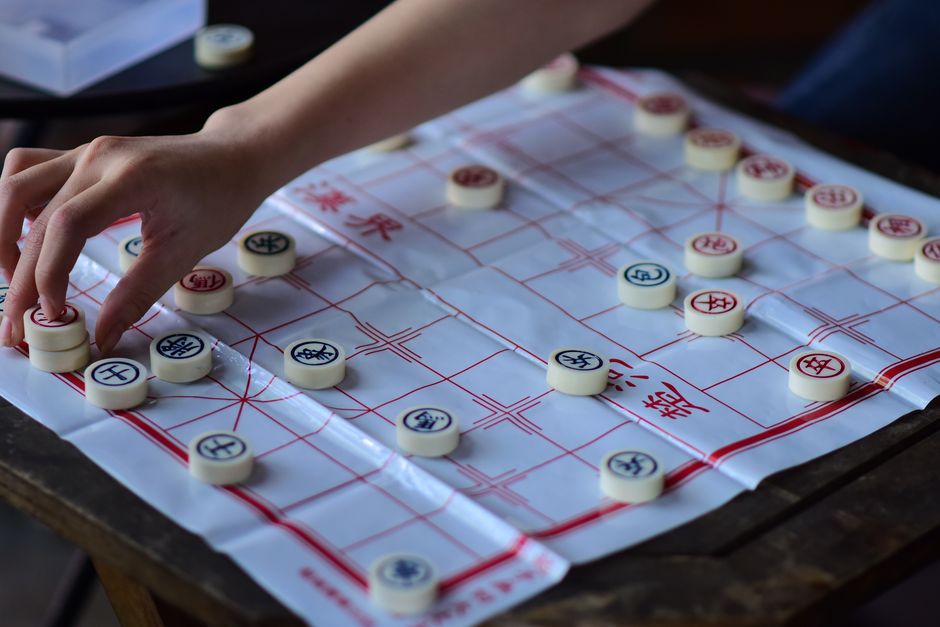

Smithsonian Magazine once highlighted how nostalgia—sometimes seen as a simple longing for the past—actually helps ease anxiety in uncertain times. Familiar games provide a comforting portal to simpler or more stable times. This urge connects deeply with why these games never totally disappear; they are embedded in cultural traditions, including community gatherings and family game nights.
Defining Key Terms: What Is a "Full House" or "Dabber"?
Before diving deeper, a quick definition for newcomers. A "full house" in bingo is when a player has marked off all the numbers on their card needed to win the game—a traditional winning pattern. A "dabber" or “dauber” is the ink marker used to mark numbers on physical bingo cards. This is important because the transition to digital play replaces these physical tools with features like auto-daubing.
Digital Play and Convenience Features: Making Classic Games Modern
Technology is one of the key catalysts in bringing classic games back into regular play. Companies like MrQ (mrq.com) have embraced digital platforms that allow players to engage with traditional games on both laptops and phones with ease. This multi-device accessibility removes logistical hurdles, meaning you don’t need to be in a physical bingo hall or have a real deck of cards to play.
One of the most transformative convenience features is automatic number marking (auto-daub or auto-mark). Instead of manually marking each called number, digital versions instantly highlight numbers on your virtual card. This may seem trivial, but it radically reduces the effort needed, making gameplay faster and more enjoyable, especially on phones where tapping many small boxes repeatedly can be tedious.
- Auto-Daub/Auto-Mark: A software feature that automatically marks numbers on digital bingo cards as they are called. Multi-Device Play: Availability of games on laptops and phones allows players to play anytime, anywhere.
Case Study: Bingo’s Remarkable Adaptation
Bingo is perhaps the most visible example of an old game thriving online. Historically linked to community halls and charity fundraisers, bingo’s journey online showcases how traditional games can adapt without losing their essence.
The Yeshiva World (YWN), a news site focused on the Jewish world but also covering gaming and entertainment, noted a resurgence in digital bingo among younger demographics, who might not have seen live bingo but love the instant gratification and social element online. Platforms such as MrQ offer daily bingo sessions with chat rooms—a social feature that, while sometimes oversold or limited, does carry an element of community.
Digital bingo preserves the familiar into a transportable package:
Familiar Card Design: The card retains the same 5x5 grid and number ranges, keeping the experience authentic. Auto-Daub Tools: Eliminate physical dabbers but maintain the core mechanic of marking off called numbers. Scheduled Sessions: Online platforms offer games at set times or on-demand.By adding conveniences like playing on phones and laptops, bingo has diversified from its physical origin. The game feels both recognizable and fresh.
Hybrid Games: The Slingo Phenomenon
Innovation doesn’t just revive old games; it sometimes hybridizes them—combining familiar elements into new formats. Take Slingo, which blends slot machine mechanics with bingo. This hybrid format has allowed traditional bingo to capture audiences who might be more familiar with casino or slot games.
These hybrid games keep the recognizable rules but add fresh layers or new challenges. They often come pre-loaded on mobile devices or integrated into larger gaming platforms like those found on mrq.com.
What Makes Hybrids Work?
- Familiarity Meets Novelty: They feel like “classic games on phone” but add excitement through new features. Expanded Appeal: Hybrid games attract both nostalgic players and new ones curious about fresh twists. Cross-Platform: Designed for easy use across devices, hybrids are accessible anywhere.
Why Do Old Games Come Back Online: Summing It Up
The return of old games online isn’t just a fluke or nostalgia wave. It’s rooted in practical, cultural, and technological reasons:
Reason Explanation Example Familiar Rules Reduce Friction Easy-to-understand gameplay attracts repeat and new players alike. Bingo’s traditional patterns and card design Convenience Features Auto-daubing, easy device access on laptops and phones streamline play. MrQ’s digital bingo platform with auto-marking Cultural Nostalgia and Community Players seek emotional connection and social experiences in a familiar format. Online chat rooms during bingo sessions (not just dead chat boxes) Hybrid Innovation Combining classic mechanics with new twists refreshes gameplay. Slingo’s mix of slot and bingo mechanicsThe Role of Media and Community Awareness
Media coverage helps maintain visibility for these games. Smithsonian Magazine, for instance, has explored how traditional games persist in modern society, highlighting their cultural roots and evolving online presence.
The Yeshiva World (YWN) reporting on these trends demonstrates that niche communities continue to embrace and sustain traditional 90 ball bingo tips games. These outlets help counter marketing fluff or vague claims by showcasing actual player stories and authentic experiences.
Final Thoughts: Classic Games on Phone Aren’t Going Anywhere
So, why do old games keep coming back instead of disappearing? Because they combine comfort with convenience in a way new games sometimes can’t match. They ride the waves of technological advances—auto-daub on digital bingo platforms and multi-device play—with rules that are easy enough for new players https://dlf-ne.org/why-do-people-prefer-games-they-already-understand/ yet deeply familiar to longtime fans.
And whether it’s the spirit of community, nostalgia, or just the simple joy of a full house, these games illustrate that some classics never truly fade—they evolve.