In an era where digitization of film and TV workflows is transforming the entertainment landscape, the discussion often centers on content quality—storytelling, visual effects, and star power. However, as platforms become the primary medium for consuming this content, their user interface (UI) and user experience (UX) design have emerged as equally critical factors for success. This is especially true in British Columbia's creative industries, where cutting-edge tools like virtual production and real-time visualization are reshaping both how content is made and how audiences interact with it.
The Shift Toward Digitized Workflows in Film and TV
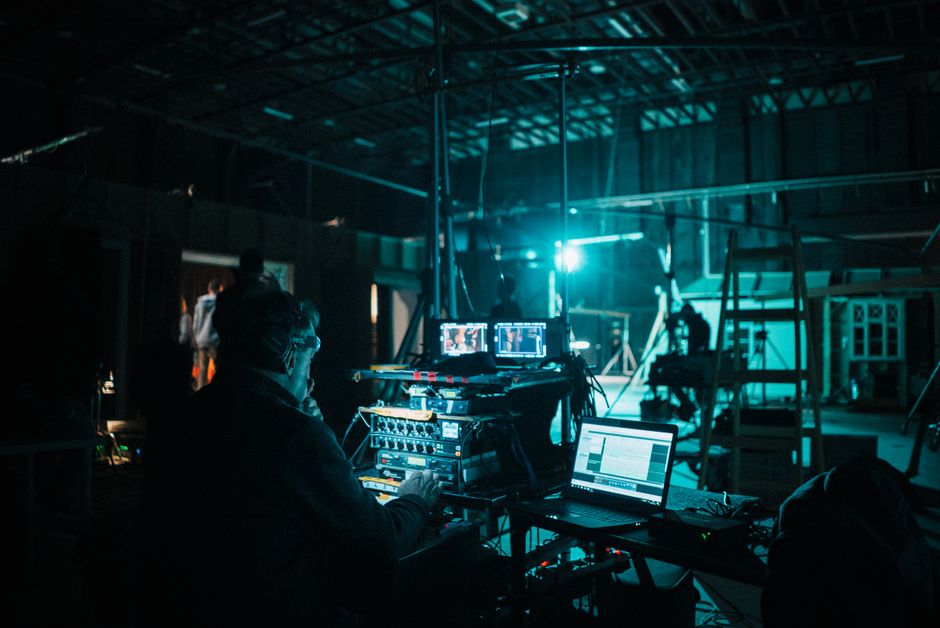
Traditional film and TV production involved linear and segmented workflows—from shooting on physical sets to post-production edits. Today, digitization has introduced seamless integration across departments using virtual production techniques and real-time visualization. For instance, virtual production involves combining live-action footage and computer-generated imagery in real time on set, often via LED walls, enabling directors and cinematographers to see complex VFX elements as they shoot.
Real-time visualization further empowers teams by allowing instant previews of effects, lighting, and virtual environments without waiting for lengthy offline renders. This accelerates decision-making and fosters collaboration between VFX, animation, and live-action departments.

Impact on User Interface and Experience
But what does this behind-the-scenes technological revolution mean for the platform’s interface that audiences use? It means expectations have risen. Just as production teams demand intuitive tools to navigate complex workflows, viewers expect platforms to deliver easy, engaging, and accessible experiences. Exactly.. The user interface isn’t just a gateway — it shapes how content is discovered, consumed, and shared.
Why Intuitive Design Drives Audience Retention
User interface refers to the visual layout and interactive elements of a platform—buttons, menus, navigation tools—while user experience encompasses the overall feeling and ease with which users complete tasks on that platform. An intuitive design anticipates user needs, minimizes friction, and enhances satisfaction.
- Easy navigation: Clear routes to content keep users engaged rather than frustrated. Personalized recommendations: Leveraging digitized workflows and data analytics tailors the experience to individual tastes. Seamless interactivity: Real-time rendering enables interactive elements such as branching storylines or live audience polls.
Audience retention is closely tied to these UI/UX qualities. Platforms with clunky interfaces lose viewers quickly, regardless of whether the content is blockbuster-level or niche. In the competitive streaming era—spurred by global giants and local studios in BC alike—the platform interface is part of the content proposition rather than an afterthought.
Virtual Production and Real-Time Visualization as Competitive Advantages
BC’s film and TV industry has become a global leader by adopting virtual production and real-time visualization tools. These allow studios to produce high-caliber VFX and animation faster and with greater creative control. On the platform side, similar Great site technologies enhance how audiences engage with content.
Interactive Digital Media: BC’s Creative Industry Backbone
BC’s thriving animation, VFX, and gaming studios often merge these capabilities, blurring traditional boundaries between "film" and "interactive entertainment." Platforms that capitalize on this convergence through carefully designed interfaces offer viewers a richer experience—such as 360-degree videos, augmented reality tie-ins, or interactive storytelling apps.
The digitization of content creation fuels these sophisticated consumer interfaces. Instead of a passive watching experience, audiences become active participants, which boosts engagement and creates lasting connections.
Balancing Content and Platform: A Case for Co-Evolution
It’s tempting to focus solely on the richness of the content—because, let’s face it, captivating stories and stunning visuals are why people tune in. But platforms are no longer just delivery channels; they are part of the creative ecosystem.
Investing in a user interface that is as polished, intuitive, and responsive as the production itself can dramatically elevate a platform’s success. Improvements in interface design:
Lower adoption barriers: New features or content are easier to discover and enjoy. Extend user sessions: Viewers explore more content or engage with additional interactive tools. Build brand loyalty: Satisfied users become repeat customers and recommend the platform.This balanced approach is particularly critical in BC, where creative industry jobs are linked closely to the dynamism of both content and technology sectors. According to provincial economic data, interactive media (including animation and gaming) accounts for thousands of high-value jobs supporting overall GDP growth.
Conclusion: The Interface Is Part of the Story
Bottom line: as virtual production and real-time visualization redefine how film, TV, and animation are created, the platforms delivering this content must keep pace by prioritizing intuitive design and exceptional user experience. These factors are no longer secondary considerations but core to retaining audiences in an era of abundant choice and fragmented attention.
Ask yourself this: in bc—and globally—the future of entertainment rests on a vancouver VFX seamless blend of innovative content and accessible, engaging platforms. Content without an intuitive, well-designed interface risks obscurity, while a slick interface without compelling content falls flat. Together, they create sustainable, competitive advantages that benefit creators, distributors, and most importantly, audiences.