Over the last decade, the world of motorsport fandom has transformed like never before. Gone are the days when fans simply cheered and booed from afar with limited insight into what was really happening on track. Thanks to improved telemetry and a bevy of modern technologies, the race-week build-up has become a nonstop news cycle packed with data, analysis, and heated debates. In fact, rather than quelling arguments, all these new tools and streams of information have given fans even more room to argue, analyze, and strategize — often from multiple screens simultaneously.
Brands like MrQ who engage with racing fans understand that this obsession with detail, fueled by enhanced data delivery, is a huge part of what makes motorsport culture so vibrant. Publications such as Motorsport UK and Frontstretch have also been chronicling this shift, highlighting how telemetry, lap times, and sector splits fuel an evolving fan experience.
The Endless Race-Week Build-up and News Cycle
Anyone who follows motorsport now knows the weekend starts well before the green flag drops. Testing sessions, practice runs, qualifying, team radio leaks, weather updates, and pit strategy rumors fill the hours and even days leading into the race itself. This means the conversation never really stops — fans debate every update, tweak, and piece of telemetry data as it trickles out during the week.
Enhanced telemetry means teams broadcast real-time streams of data, including tire pressures, fuel consumption rates, sector timing, and driver inputs. This isn’t just raw info for the engineers https://highstylife.com/what-does-browser-based-entertainment-mean-on-desktop-and-mobile/ — it’s a treasure trove for fans armed with live timing screens and multiple onboard cameras, all feeding into second-screen viewing experiences.
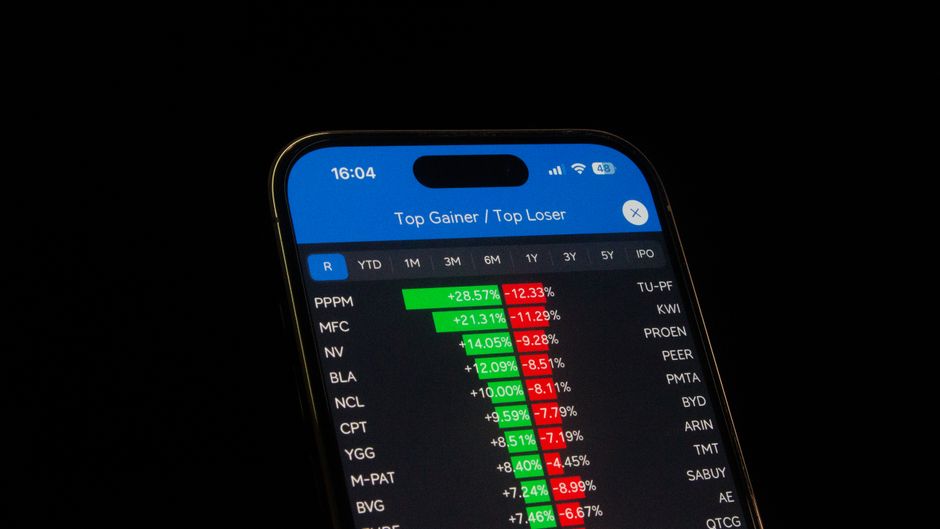
Fans track trends like fuel windows and tire degradation based on lap times and sector splits, frequently arguing whether a driver is being conservative or pushing to overtake. Sports betting companies like MrQ note that orbits of fan debate often coincide with spikes in live bets, showing how deeply fans engage with https://dlf-ne.org/fantasy-motorsport-leagues-how-do-they-work-for-beginners/ the technical side of racing.
Strategy Obsession: Tires, Fuel, Weather, Pit Stops
Even casual viewers today understand that races are often won or lost on strategic decisions rather than just raw speed. Improved telemetry lets fans see everything going into these choices — tire wear levels over consecutive laps, precise fuel usage measured in real-time, and how emerging weather conditions influence pace.
- Tires: Telemetry tracks tire degradation down to tenths of a second per lap — data which fans pore over to assess if a driver can stretch a set of softs or if an early pit stop is mandatory. Fuel: Watching live fuel consumption rates lets fans debate if a driver could risk running lean to avoid a pit stop, or if a splash-and-dash refueling is inevitable. Weather: Using weather radar updates combined with team telemetry, fans issue predictions about who will gamble on tire choice and when rain might shuffle the order. Pit Stops: Detailed analysis of pit stop times, pit lane speed, and crew efficiency sparks lively arguments on who is gaining the edge during these critical moments.
This obsession with strategy isn’t just theorizing — it's data-driven analysis based on concrete telemetry fed live into fans' second screens. Whether values like sector splits or tire temperatures are improving or deteriorating, the numbers become the foundation for endless debates.
The Growing Data Culture of Racing Fans
Improved telemetry pushes motorsport fans deeper into data culture. Fans no longer just root for colors or drivers; they dissect the numbers from each lap, examining sector splits down to thousandths of a second. For instance, a driver might gain 0.3 seconds in sector one but lose 0.2 seconds in sector two, prompting viewers to speculate about where they are sacrificing speed or picking up pace.
These data points become flashpoints in fan analysis — did a team optimize the race setup? Should a driver have pushed harder or managed tires better? Is the current pace sustainable given fuel levels?

Moreover, live timing tools broadcast this telemetry to millions of second-screen users simultaneously, creating a communal yet competitive environment for data debates. Fans share spreadsheets, screen grabs, and live reactions across social media channels, adding layers to the conversation.
Second-Screen Viewing and Immersive Broadcasts
The rise of second-screen viewing options has revolutionized the fan experience. Rather than passively watching a broadcast, fans now run live timing apps, track weather radar, and switch between multiple onboard camera feeds to build their own picture of the race.
Immersive broadcasts integrating telemetry overlay data let viewers see real-time tire wear, fuel percentages, and even throttle and brake inputs. This interactivity empowers fans — and yes, fuels more spirited debates because everyone has access to more granular data than ever before.
Fans argue about whether a driver’s faster sector times come at increased tire wear or if a late-race fuel save is compromising lap speed. The continuous flow of data means there is almost always something new to debate or reassess, keeping the fan community engaged well beyond race day.
Conclusion: More Data = More Debate, Not Less
It might seem counterintuitive, but improved telemetry makes motorsport fandom more argumentative, not less. Far from stopping speculation, the flood of data feeds into it, turning ordinary fans into amateur strategists who can analyze fuel consumption, tire degradation, pit stop efficiency, and sector splits in real-time.
With multiple onboard cameras and live timing screens, second-screen viewers participate in an immersive experience that grants unprecedented access to the heartbeat of racing. As a result, race-week build-ups become a nonstop news and data cycle peppered with fan analysis and strategy obsession — reflected in lively debates that define the community.
Companies like MrQ, and publications such as Motorsport UK and Frontstretch, understand how vital this culture of data debates is to modern motorsport fandom. If you’re a fan, the telemetry revolution isn’t just about numbers; it’s about getting deeper into the sport and embracing the arguments that come with it.